






What's Happening?
A new study led by Haiwei Zhou at the University of Melbourne highlights the environmental impact of lithium-ion battery production, which currently accounts for approximately 0.18 percent of annual greenhouse gas emissions but could increase tenfold
or more by 2050. While efforts are underway to reduce per-battery carbon footprints through more energy-efficient manufacturing, cleaner electricity sources, and recycling, the researchers focused on demand-side strategies to reduce the overall number of batteries produced. Their analysis, which used projections of emissions throughout the lifecycle of batteries for electric vehicles (EVs) and energy storage through 2050, suggests that reducing demand for new batteries could eliminate 6–7.2 billion tons of CO2 between 2024 and 2050. This approach emphasizes that the most environmentally friendly battery is one that is not made, underscoring the significant impact of reducing overall battery consumption.
Why It's Important?
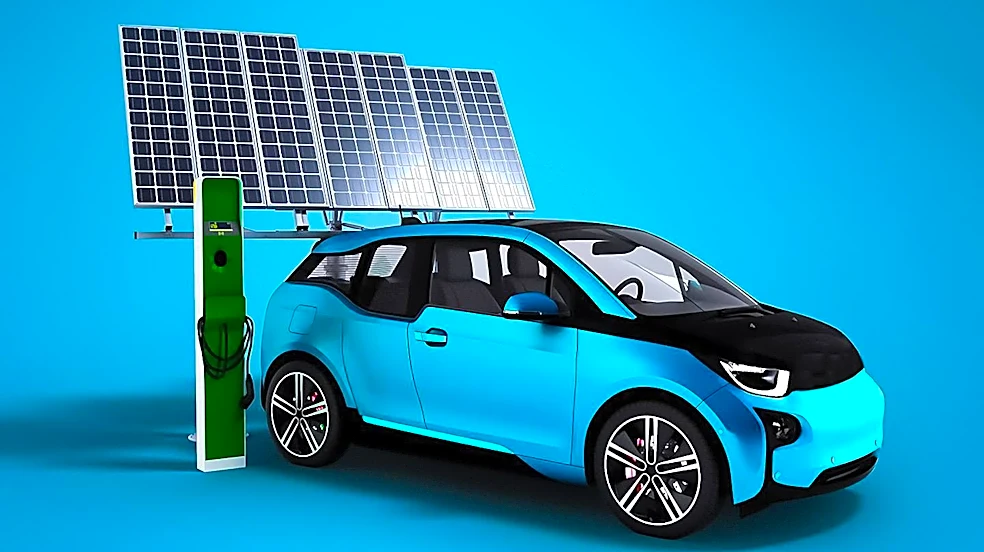
This research is important for the U.S. as it shifts the focus of emissions reduction strategies from solely improving production processes to also managing demand. With the U.S. heavily investing in electric vehicles and renewable energy storage, the demand for lithium-ion batteries is projected to surge. Understanding and implementing demand-side solutions could significantly mitigate the environmental footprint of this transition. By reducing the number of batteries needed, the U.S. can lessen its reliance on energy-intensive mining and refining processes, decrease waste, and potentially alleviate supply chain pressures for critical minerals. This could lead to more sustainable growth in the EV and energy storage sectors, aligning with broader climate goals and fostering a more circular economy. It also encourages innovation in battery longevity, repairability, and efficient energy management systems that optimize battery usage.
What's Next?
The findings suggest a need for policymakers and industry leaders in the U.S. to explore and implement strategies that reduce the overall demand for new batteries. This could include incentives for extending battery lifespan through better design and maintenance, promoting battery reuse and second-life applications, and developing more efficient energy systems that require fewer batteries. Research into alternative battery chemistries that are less energy-intensive to produce or use more abundant materials could also gain traction. Furthermore, consumer education on the environmental impact of battery consumption and the benefits of extending product life cycles may become a key component of future sustainability initiatives. The focus will likely shift towards a more holistic approach to battery sustainability, encompassing the entire lifecycle from production to end-of-life management.
Beyond the Headlines
The concept of reducing demand to lower emissions has broader implications for consumption patterns and economic models in the U.S. It challenges the traditional growth-oriented paradigm by suggesting that 'less' can be 'more' in terms of environmental impact. This could lead to a re-evaluation of product design philosophies, emphasizing durability, modularity, and repairability over planned obsolescence. It also highlights the interconnectedness of various sectors—from energy production and transportation to manufacturing and consumer behavior—in achieving ambitious climate goals. The ethical dimension of resource extraction and the social impact on communities involved in mining and manufacturing could also come under increased scrutiny, pushing for more responsible and sustainable practices across the global supply chain. Ultimately, this research encourages a deeper societal conversation about sustainable consumption and the true cost of technological advancement.