
What's Happening?
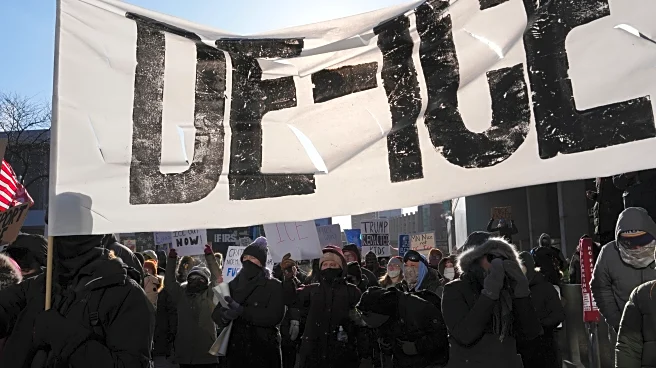
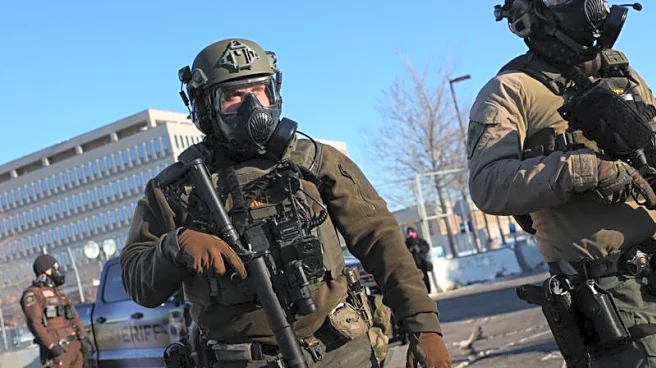
The Pentagon has ordered approximately 1,500 active-duty U.S. soldiers to prepare for a possible deployment to Minnesota, where protests have erupted following the fatal shooting of Renee Good by an ICE
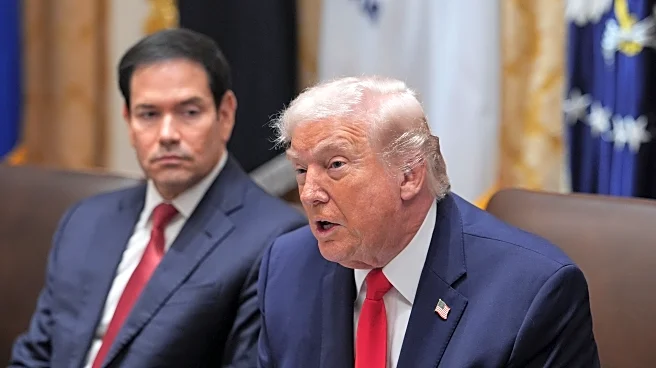
agent. The protests are part of a larger backlash against the government's deportation policies. President Trump has threatened to invoke the Insurrection Act, which would allow the deployment of military forces to quell domestic unrest. The soldiers, from two infantry battalions under the 11th Airborne Division based in Alaska, are on standby as tensions remain high in Minneapolis, the state's largest city.
Why It's Important?
The potential deployment of military forces to Minnesota underscores the escalating tensions surrounding immigration enforcement in the U.S. The use of the Insurrection Act is a significant step, reflecting the federal government's stance on maintaining order amid civil unrest. This situation highlights the ongoing national debate over immigration policies and the role of federal forces in domestic affairs. The outcome could influence public opinion and policy decisions related to immigration and civil rights, affecting communities across the nation.
What's Next?
If the situation in Minnesota escalates, the deployment of troops could proceed, potentially leading to increased tensions between protesters and law enforcement. The invocation of the Insurrection Act may face legal challenges and public scrutiny, influencing future government responses to civil unrest. Stakeholders, including political leaders and civil rights organizations, are likely to respond, shaping the national discourse on immigration and the use of military force in domestic matters.