





What's Happening?
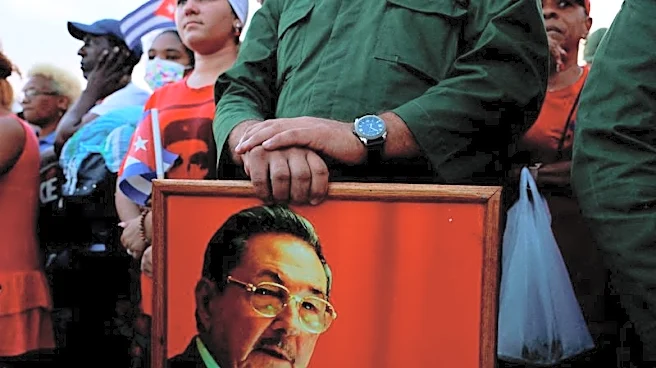
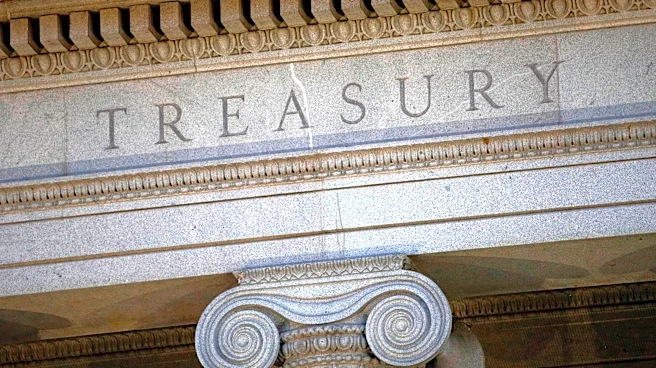
The United States has imposed sanctions on Cuban President Miguel Díaz-Canel, his wife, and three other individuals as part of the Trump administration's efforts to pressure Cuba's leadership. These sanctions follow an executive order by President Trump expanding
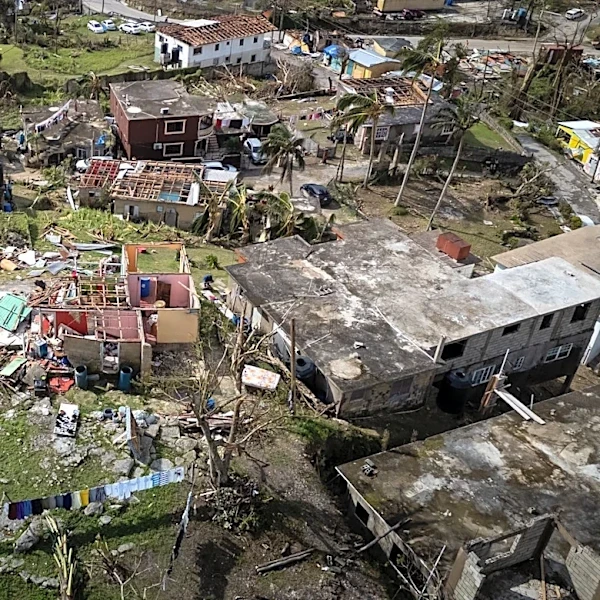
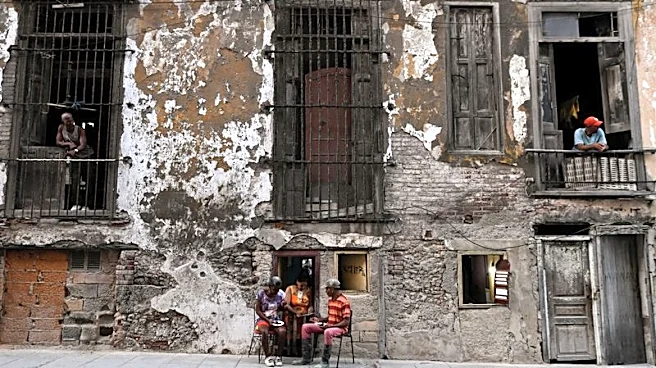
sanctions against Cuba, which have led to severe economic difficulties on the island, including blackouts and food shortages. The sanctions also target Alejandro Castro Espín, the son of former President Raúl Castro, and his son, Raúl Alejandro Castro Calis. The U.S. has been increasing pressure on Cuba since the ousting of Venezuelan leader Nicolás Maduro, with threats of military action and an energy blockade that has exacerbated Cuba's economic crisis.
Why It's Important?
The sanctions are a significant escalation in U.S. efforts to influence Cuba's political landscape and economic policies. By targeting high-ranking officials, the U.S. aims to weaken the Cuban government's ability to maintain control and push for reforms. The economic collapse in Cuba, worsened by U.S. sanctions, highlights the broader impact of U.S. foreign policy in the region. The sanctions also reflect the Trump administration's strategy of using economic pressure to achieve political objectives, as seen in other countries like Venezuela. The situation in Cuba is a critical test of U.S. influence in the Western Hemisphere and its ability to effect change through sanctions.
What's Next?
The U.S. may continue to impose additional sanctions on Cuban officials and entities, increasing pressure on the government to implement reforms. The Cuban government, facing economic collapse, may seek to negotiate with the U.S. or look for support from other international allies. The situation could lead to increased tensions between the U.S. and Cuba, with potential implications for regional stability. The international community will be monitoring the situation closely, as the outcome could influence U.S. relations with other countries in the region and set a precedent for future U.S. foreign policy actions.