






What's Happening?
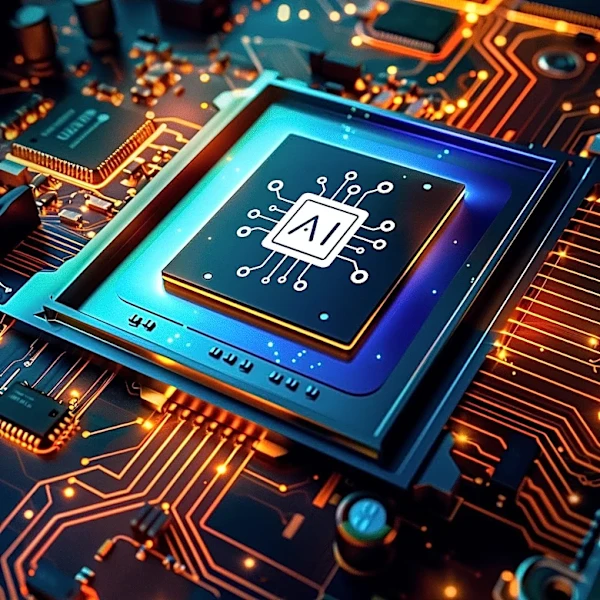
South Korea's President Lee Jae-myung announced that the nation will double its spending on artificial intelligence (AI) and semiconductors next year, allocating a record 21.3 trillion won (US$16 billion) to these sectors. This significant investment,
nearly double the current year's amount, is part of a broader strategy to boost the economy's growth potential and transform the military into a 'smart, elite force.' The funds will be directed towards various initiatives, including frontier AI development projects aimed at achieving world-leading performance for South Korea's own AI models, expanding chip production hubs nationwide, establishing robotics research and development centers, and building gigawatt-scale AI data centers. This announcement was made during President Lee's annual budget speech to parliament, where he also outlined an overall budget plan totaling 821 trillion won, a 12.8 percent increase year-on-year, making it the largest budget proposal on record.
Why It's Important?
South Korea's substantial increase in investment in AI and semiconductors is critical for several reasons. Economically, it aims to solidify the nation's position as a global leader in these high-tech industries, driving future economic growth and creating high-value jobs. This investment will enhance South Korea's competitiveness in the global AI chip market, which is crucial for various sectors from consumer electronics to advanced computing. Strategically, the focus on developing a 'smart, elite force' through AI, robotics, and drones underscores the growing importance of technological superiority in national defense, especially given regional geopolitical dynamics. This move could also influence global supply chains for semiconductors, potentially reducing reliance on other nations for critical components. The public-private partnership model, involving major players like Samsung and SK Hynix, ensures a concerted national effort to achieve these ambitious technological goals.
What's Next?
President Lee Jae-myung's budget proposal, which includes the significant increase in AI and semiconductor spending, now requires parliamentary approval. Given his party's majority, the budget is likely to pass. Following approval, the government will proceed with its plans to invest 4.7 trillion won in frontier AI development projects, aiming to achieve world-leading performance for national AI models. The 'three mega-projects' announced in June—expanding chip production hubs, establishing robotics R&D centers, and building gigawatt-scale AI data centers—will move forward. Samsung and SK Hynix are also expected to continue their record-level corporate investments in South Korea, further bolstering the nation's capabilities in these critical technologies. The military transformation into a 'smart, elite force' through AI, robots, and drones will also be a key focus, potentially leading to new defense procurements and technological advancements.
Beyond the Headlines
South Korea's aggressive investment in AI and semiconductors reflects a broader global trend where nations are increasingly viewing technological leadership as a cornerstone of national security and economic prosperity. This strategy goes beyond mere industrial policy; it's a declaration of intent to shape the future of technology. The emphasis on developing 'our own AI model' suggests a desire for technological sovereignty, reducing dependence on foreign AI frameworks and potentially fostering unique ethical and cultural considerations in AI development. The integration of AI into the military also raises ethical questions about autonomous warfare and the future of defense. This national commitment, combining public and private sector efforts, could serve as a model for other countries seeking to accelerate their technological advancement, but it also highlights the intense competition and potential for technological divides in the coming decades.