



What's Happening?
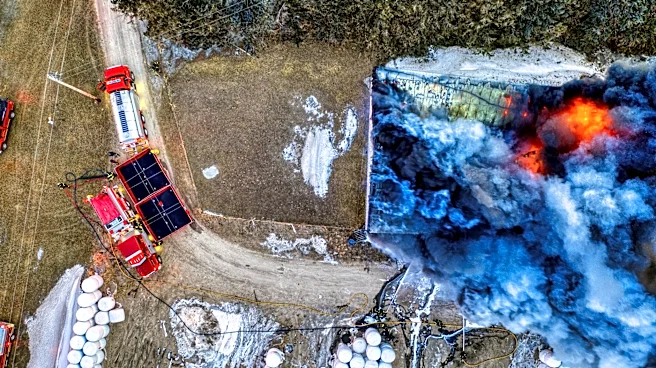
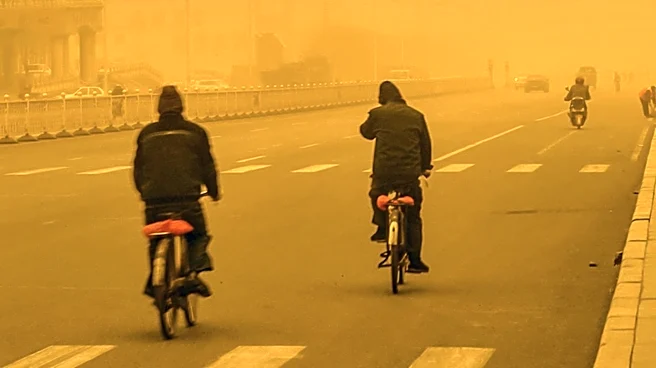
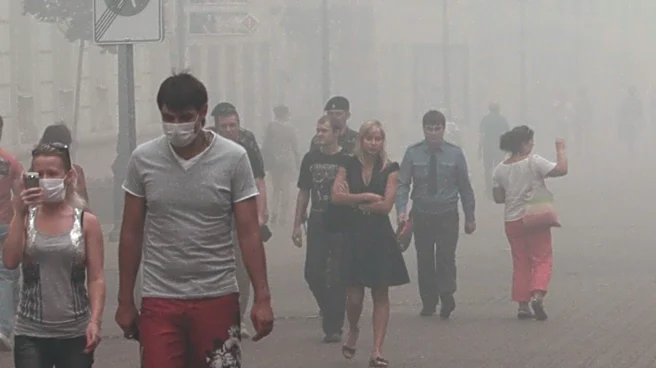
Massive wildfires in Canada and Minnesota's Boundary Waters Canoe Area Wilderness have led to hazardous air quality conditions across Wisconsin. The smoke has caused breathing difficulties and worsened health conditions like asthma, according to the Environmental
Protection Agency. Businesses and organizations in Wisconsin, including those in the Apostle Islands and the Milwaukee County Zoo, are facing disruptions. The Apostle Islands area saw closures of outdoor events due to extreme smoke, impacting local businesses like Northern Lights Adventures Boat Charters and Tours. The Milwaukee County Zoo has had to adjust operations to protect both animals and staff from the smoke, with some animals being kept indoors and staff wearing masks.
Why It's Important?
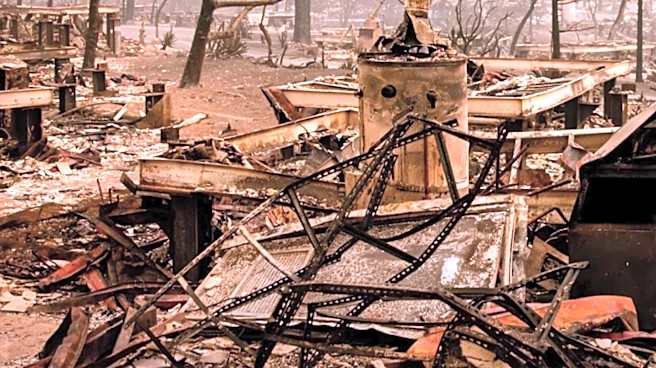
The wildfires and resulting smoke highlight the broader issue of climate change, which is contributing to more frequent and severe wildfires. This situation poses significant challenges for Wisconsin's tourism industry, particularly during peak summer months. Businesses reliant on outdoor activities face potential financial losses, and public health is at risk due to prolonged exposure to poor air quality. The situation underscores the need for adaptive strategies in both business operations and public health policies to mitigate the impacts of climate change-related events.
What's Next?
As the wildfires continue, Wisconsin businesses and public facilities may need to develop long-term strategies to cope with recurring smoke events. This could involve investing in air quality monitoring systems, enhancing indoor facilities, and creating contingency plans for outdoor activities. The state may also see increased advocacy for climate action to address the root causes of such environmental challenges. Stakeholders, including government agencies, businesses, and health organizations, will likely need to collaborate on solutions to protect public health and economic interests.
Beyond the Headlines
The ongoing smoke issues may lead to a cultural shift in how outdoor activities are planned and enjoyed in Wisconsin. There could be increased public awareness and education on the health impacts of air quality, leading to more proactive measures by individuals and communities. Additionally, the situation may prompt legal and policy discussions around environmental regulations and climate change mitigation efforts at both state and national levels.