







What's Happening?
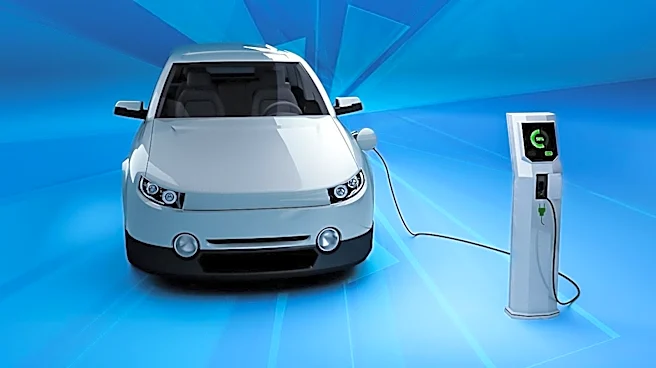
Saint Paul College's Automotive Services Department introduced a new certification program in hybrid and electric vehicle (EV) technology in Fall 2026. Automotive Services Technology Instructor Jake Yernberg shared details about this program at the Minnesota
Energy Innovation Summit, participating in a panel of statewide education leaders. The program was developed in response to the increasing interconnectedness of Minnesota’s transportation and energy industries. Yernberg emphasized that electric vehicles are now part of a broader ecosystem encompassing power generation, battery storage, grid modernization, and energy management, necessitating a new skill set for technicians entering the workforce. The curriculum development for this program was directly influenced by industry discussions and the need to align student skills with current workforce demands.
Why It's Important?
This new program at Saint Paul College is crucial for addressing the evolving needs of the U.S. automotive and energy sectors, particularly in Minnesota. As the nation transitions towards electric vehicles, there is a growing demand for skilled technicians capable of servicing and maintaining these advanced systems. The program ensures that the future workforce is equipped with the necessary expertise, preventing potential labor shortages and supporting the growth of the EV industry. For students, it provides a direct pathway to high-demand jobs in a rapidly expanding field. For businesses, it guarantees a pipeline of qualified professionals, which is vital for the successful adoption and integration of EV technology. This initiative also highlights the importance of collaboration between educational institutions and industry to keep pace with technological advancements.
What's Next?
The Hybrid and Electric Vehicle Technology program is actively preparing students for the Spring 2027 intake, with generous support from 3M offering $2,000 scholarships to enrolling students. This financial aid aims to attract more individuals to the program and support their education in this critical field. The ongoing collaboration between educational institutions and industry stakeholders, as highlighted by Yernberg, will continue to influence curriculum development to ensure that training remains relevant and responsive to market changes. Future discussions at energy innovation summits and similar forums will likely further shape the direction of such programs, ensuring a steady supply of skilled technicians for Minnesota's evolving energy and transportation sectors.
Beyond the Headlines
The launch of this EV technology program at Saint Paul College reflects a broader national imperative to invest in workforce development for green technologies. As the U.S. aims to reduce carbon emissions and promote sustainable transportation, the availability of a skilled labor force is paramount. This program not only addresses immediate industry needs but also contributes to long-term economic resilience by fostering innovation and creating new job opportunities. The emphasis on a holistic understanding of the EV ecosystem, including power generation and grid management, suggests a forward-thinking approach to education that recognizes the systemic changes brought about by electrification. Such initiatives are vital for ensuring that the U.S. remains competitive in the global green economy and successfully navigates the transition to a more sustainable future.