

What's Happening?
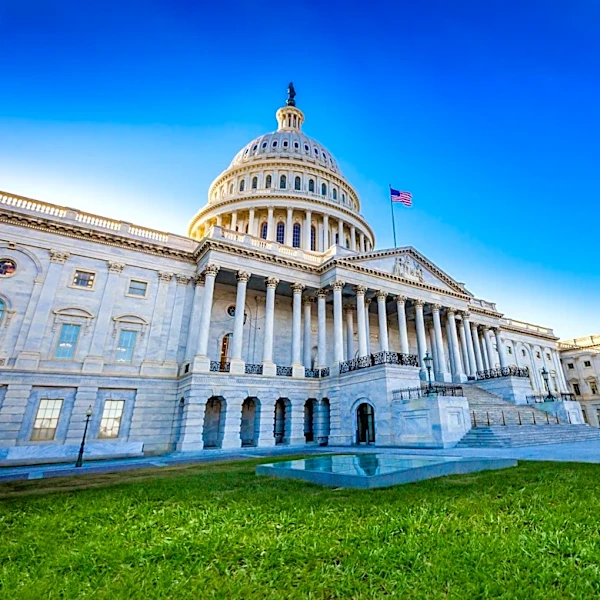
Congresswoman Teresa Leger Fernández, alongside Congressman Jared Huffman and 17 other House members, has formally questioned Interior Secretary Doug Burgum regarding a proposed rollback of protections around Chaco Culture National Historical Park. The
lawmakers are seeking answers about a Trump administration proposal that could potentially reopen the area to oil, gas, and mining interests. Their concerns center on the adequacy of Tribal consultation, the public comment process, and the use of a limited environmental review for such a significant change. The group has requested responses from the Interior Department by August 28. This inquiry highlights ongoing scrutiny of environmental and cultural heritage protections, particularly those impacting Indigenous communities.
Why It's Important?
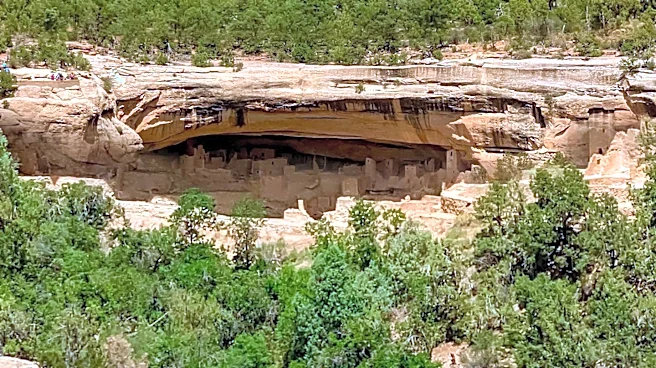
The challenge to the Interior Department's review of Chaco Canyon protections carries significant implications for environmental conservation, Indigenous rights, and energy policy in the U.S. Chaco Culture National Historical Park is a UNESCO World Heritage site, holding immense cultural and historical value for numerous Tribal nations. A rollback of protections could lead to increased industrial activity, potentially damaging sacred lands and archaeological sites. This situation underscores the tension between resource extraction and cultural preservation, and the critical role of government agencies in balancing these interests. The lawmakers' demand for transparency and proper Tribal consultation emphasizes the importance of adhering to established protocols when making decisions that affect Indigenous communities and national heritage sites. The outcome of this inquiry could set a precedent for future land use decisions involving culturally sensitive areas.
What's Next?
The Interior Department is expected to respond to the lawmakers' questions by August 28, detailing its rationale and process for reviewing the Chaco Canyon protections. Depending on the response, further congressional action, public advocacy, or legal challenges could follow. Stakeholders, including Tribal nations, environmental groups, and energy companies, will be closely monitoring the situation. The lawmakers' continued pressure could influence the department's final decision regarding the proposed rollback. This issue may also become a point of discussion in broader policy debates concerning public lands and the balance between economic development and environmental/cultural preservation. The resolution of this matter will likely have lasting effects on the management of national historical parks and the relationship between the U.S. government and Tribal communities.
Beyond the Headlines
The controversy surrounding Chaco Canyon extends beyond immediate land use decisions, touching upon deeper ethical and legal questions regarding the U.S. government's trust responsibility to Native American tribes. The emphasis on 'inadequate Tribal consultation' by the lawmakers highlights a recurring issue in federal land management, where Indigenous voices are often marginalized in decisions affecting their ancestral lands. This situation also reflects the ongoing political polarization surrounding environmental regulations and energy policy, with previous administrations often taking differing stances on resource development versus conservation. The protection of sites like Chaco Canyon is not just about preserving ancient ruins; it's about respecting cultural identity, historical memory, and the spiritual connection Indigenous peoples have to their land. The outcome will be a test of the current administration's commitment to environmental justice and Indigenous sovereignty.