





What's Happening?
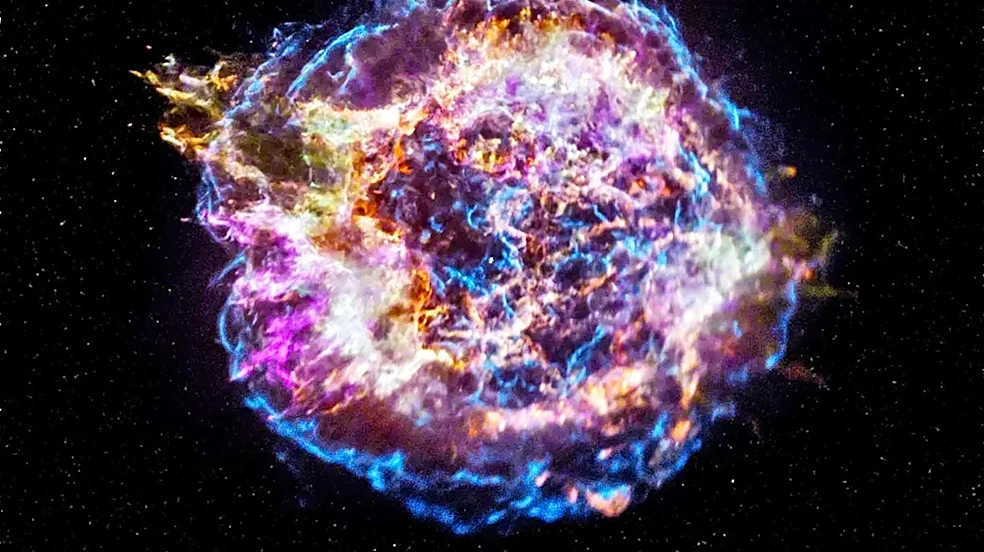
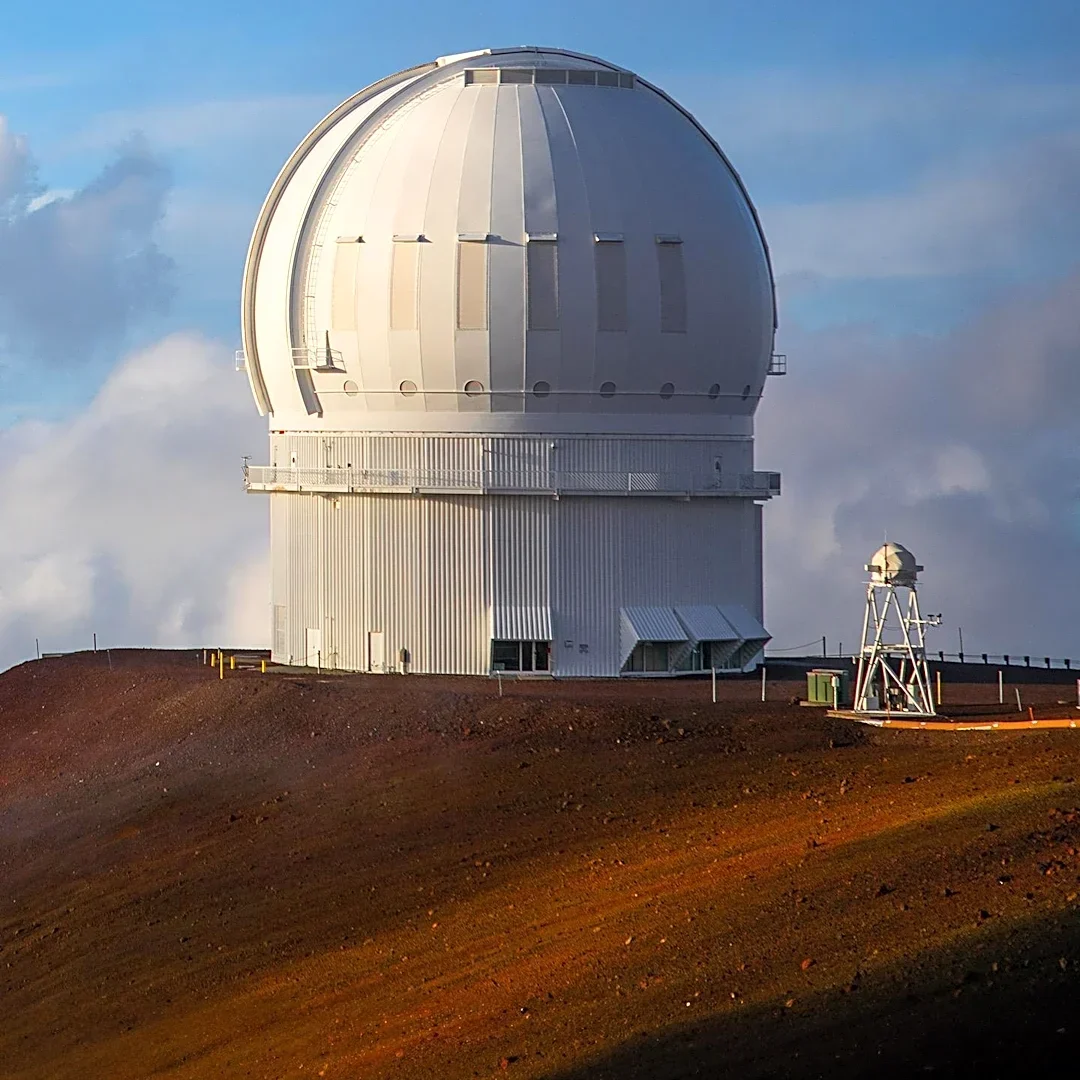
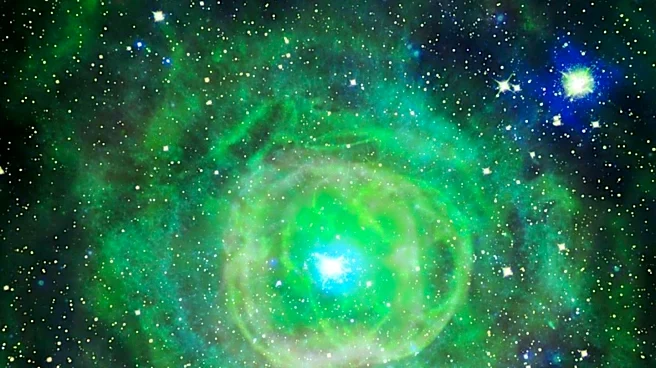
New observations of Pa 30, the remnant of the historic supernova SN 1181, have revealed intricate chains of tiny gas knots within its spectacular filamentary structures. This discovery, based on images from the Gemini North telescope in Hawaii, provides
the clearest picture yet of the supernova's aftermath, showing about 10 times more detail than previously seen. SN 1181 was one of only five supernovas in the Milky Way galaxy witnessed from Earth before the invention of the telescope, recorded by astronomers in China and Japan in 1181. Timothy Cunningham, an assistant professor of astronomy and astrophysics at the University of Warwick, led the international research team whose findings were published in The Astrophysical Journal. The knot-like structures suggest variations in temperature or density in the material surrounding the star as debris from the explosion expanded. Pa 30 also contains a surviving star at its center, an unusual feature for a supernova remnant, indicating a highly symmetrical original explosion.
Why It's Important?
This discovery is significant for astrophysics as it provides unprecedented detail into the mechanics of supernova explosions, particularly Type Iax supernovas. Understanding the knot-like structures in Pa 30 offers new constraints on the nature of the space around the star before it exploded and the physical processes that shaped the expanding ejecta. The presence of a surviving 'zombie star' at the center of Pa 30, a characteristic of Type Iax events, challenges previous assumptions about supernova remnants and their stellar progenitors. This research helps scientists refine models of stellar evolution and supernova dynamics, which are crucial for understanding the origins of elements in the universe and the formation of new stars and planetary systems. The ability to study a supernova with a known historical date provides a unique opportunity to connect ancient astronomical records with modern scientific observations, enhancing our understanding of cosmic events over millennia.
What's Next?
Researchers will continue to analyze the detailed images of Pa 30 to further understand the conditions that led to the formation of the mysterious gas knots and the unusual survival of the central star. Future studies will likely focus on developing more sophisticated computer models to simulate the explosion and its interaction with the surrounding interstellar medium, aiming to replicate the observed knot-like structures. This will help to refine theories about Type Iax supernovas and their unique characteristics. The insights gained from Pa 30 could also inform observations of other supernova remnants, both within and beyond the Milky Way, leading to a more comprehensive understanding of these powerful cosmic events. Continued advancements in telescope technology will undoubtedly provide even clearer images and more data, allowing astronomers to delve deeper into the mysteries of stellar explosions.
Beyond the Headlines
The study of Pa 30 connects humanity's ancient observations of the cosmos with cutting-edge modern science, bridging centuries of astronomical inquiry. The fact that SN 1181 was one of the few supernovas visible to the naked eye and recorded by medieval astronomers highlights the enduring human fascination with celestial phenomena. This research underscores the power of combining historical records with advanced technology to unlock cosmic secrets. It also subtly reminds us of the dynamic and often violent nature of the universe, where events like supernovas play a crucial role in cosmic evolution. The concept of a 'zombie star' surviving such a cataclysmic event adds a layer of intrigue, pushing the boundaries of our understanding of stellar death and rebirth. This ongoing exploration of supernova remnants continues to reveal the universe's complexity and the intricate processes that govern its vastness.