


What's Happening?
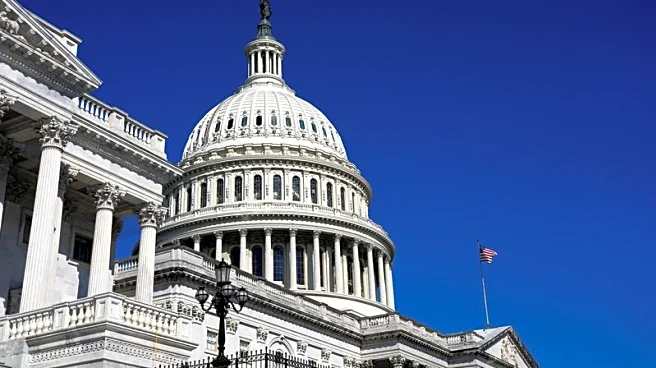
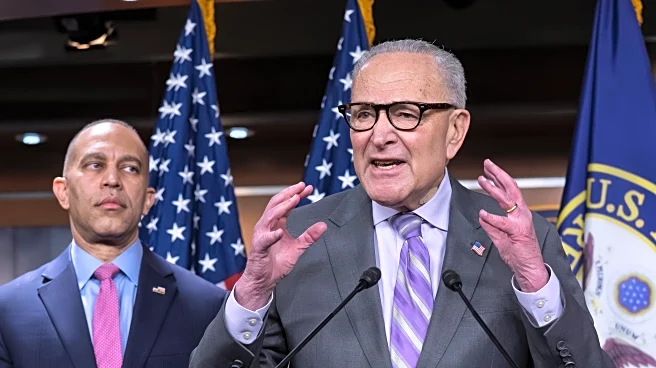
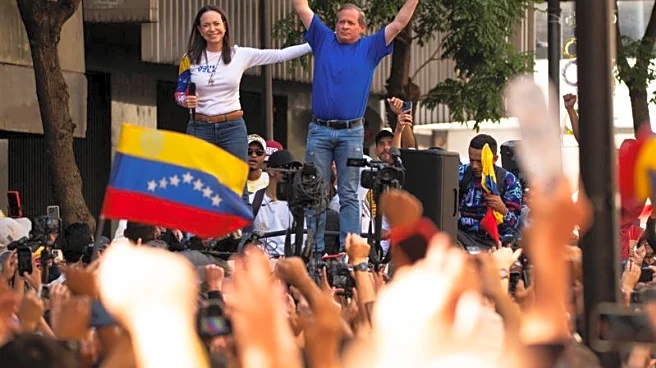
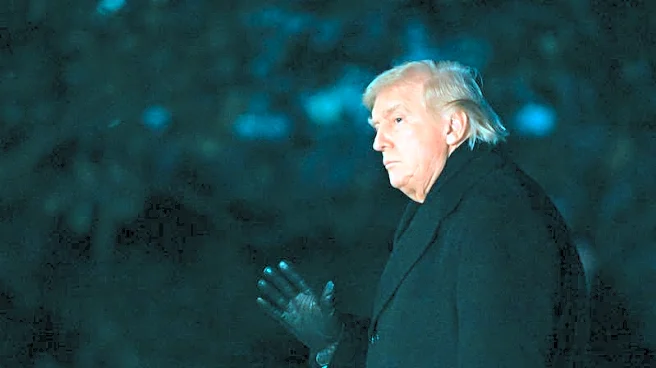
Following a briefing on the operation that led to the capture of former Venezuelan President Nicolás Maduro, U.S. lawmakers have expressed varied reactions. House Speaker Mike Johnson praised the mission, emphasizing its success and the strategic importance
of the operation. In contrast, Senate Minority Leader Chuck Schumer voiced concerns about the potential for similar military actions to be conducted by the U.S. in other regions. The briefing highlighted the complexities of the operation and the broader implications for U.S. foreign policy.
Why It's Important?
The capture of Nicolás Maduro is a pivotal moment in U.S.-Venezuela relations and has significant implications for American foreign policy. The operation's success could bolster U.S. influence in Latin America and demonstrate a commitment to addressing authoritarian regimes. However, it also raises questions about the scope and limits of U.S. military interventions. The differing reactions from lawmakers reflect the ongoing debate over the role of military force in achieving foreign policy objectives and the potential risks of unintended consequences.
What's Next?
The U.S. government may need to engage in diplomatic efforts to manage the aftermath of Maduro's capture and to support a peaceful transition in Venezuela. There could be increased scrutiny from Congress regarding the decision-making process and the legal justifications for the operation. Internationally, the U.S. may seek to collaborate with allies to ensure stability in the region and to address any humanitarian concerns. The situation could also prompt discussions about the future of U.S. military interventions and the criteria for such actions.