


What's Happening?
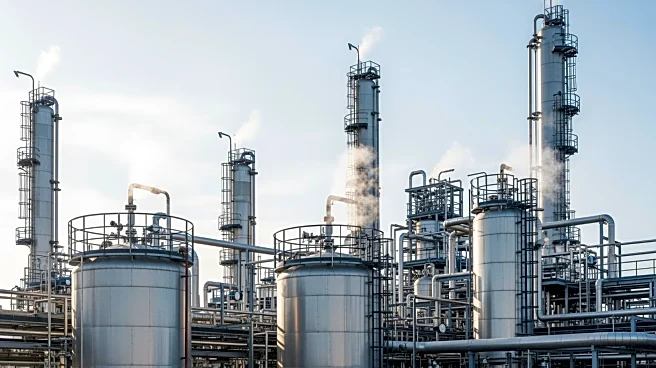
The closure of the Strait of Hormuz, following military strikes by the United States and Israel, has significantly disrupted global shipping routes, particularly affecting the transport of ammonia and nitrogen. These are critical components in synthetic
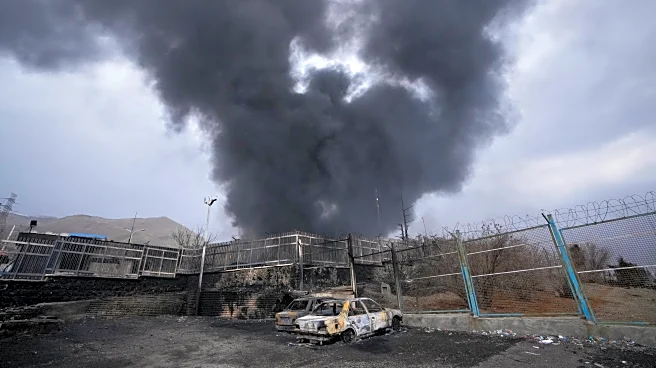
fertilizers, which are essential for modern agriculture. The strait is a vital passage for a substantial portion of global fertilizer raw materials, with about a quarter to a third of key inputs passing through it. The disruption has already led to a sharp increase in fertilizer prices, such as Egyptian urea, which has risen by over 25% in a week. This situation is exacerbated by the shutdown of Qatar's largest fertilizer facility due to a drone attack. The Middle East's role as a major supplier of sulfur, another key fertilizer ingredient, adds to the pressure on global supply chains.
Why It's Important?
The disruption in the Strait of Hormuz has far-reaching implications for global agriculture and food security. With synthetic nitrogen fertilizers underpinning roughly half of global food production, any sustained supply disruption could lead to lower crop yields and increased prices for staple foods like bread and pasta. This would also raise the cost of animal feed, further impacting food prices. The situation places additional financial strain on farmers, many of whom are already operating on narrow margins. The rapid response of energy markets to geopolitical risks highlights the vulnerability of global supply chains to regional conflicts, potentially leading to inflationary pressures worldwide.
What's Next?
If geopolitical tensions between the US and Middle East continue to escalate, further disruptions in shipping through the Strait of Hormuz are likely. This could lead to prolonged supply chain issues and sustained high prices for fertilizers and food products. Stakeholders, including governments and international organizations, may need to explore alternative supply routes or increase domestic production capabilities to mitigate the impact. Additionally, diplomatic efforts may be necessary to stabilize the region and ensure the free flow of goods through this critical maritime passage.