


What's Happening?
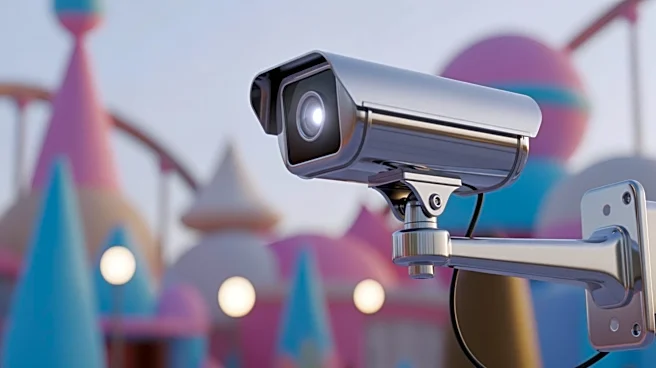
Disneyland has introduced facial recognition technology at its park entrances to streamline the entry process and prevent ticket fraud. The technology converts images of guests' faces into unique numerical values, which are then compared with photos taken
when tickets or passes are first used. While Disney officials claim this enhances convenience and security, the move has sparked privacy concerns. Critics argue that the widespread use of facial recognition could lead to data breaches and misuse by law enforcement. The technology's accuracy, particularly in identifying people of color, has also been questioned.
Why It's Important?
The implementation of facial recognition at Disneyland reflects a broader trend of using biometric technologies in public spaces, raising significant privacy and ethical concerns. As more venues adopt such technologies, there is a growing debate about the balance between convenience and privacy. The potential for data breaches and misuse of biometric data poses risks to individuals' privacy and security. This development could influence public opinion and regulatory discussions on the use of facial recognition technology, particularly in private and public sectors.
What's Next?
Disneyland's use of facial recognition may prompt further scrutiny from privacy advocates and regulatory bodies. There could be increased pressure on Disney and other companies to ensure robust data protection measures and transparency in how biometric data is used and stored. This situation might lead to calls for stronger privacy laws and regulations governing the use of facial recognition technology. The public's response and potential legal challenges could shape the future deployment of such technologies in entertainment and other industries.