




What's Happening?
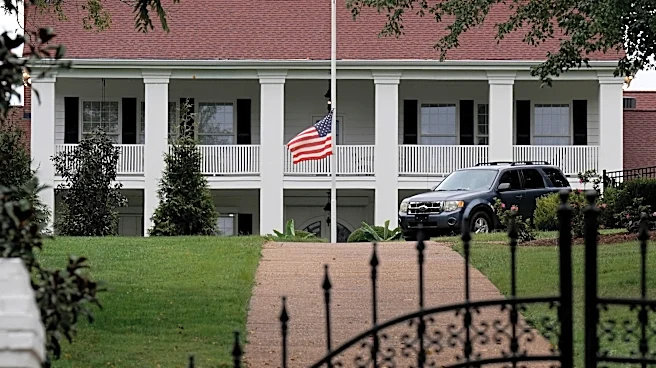
Olive Branch, Mississippi Mayor Ken Adams has publicly stated his opposition to lowering flags to half-staff for celebrities like Dolly Parton, despite President Trump's order to do so following Parton's death. Mayor Adams addressed the issue on the city's
Facebook page, acknowledging Parton as a great person who brought happiness to millions and performed tremendous acts of charity. However, he believes that lowering the American flag to half-staff should be reserved for highly significant events and individuals. In his opinion, this honor should primarily be for military heroes, fallen first responders, presidents, and other major national leaders, or for events that have had a profound impact on the country. Adams argued that if the flag is lowered for every well-known or beloved person who passes away, the honor's significance is diminished. He also asserted that local governments should have the autonomy to make such decisions for their constituents, stating that a mayor should lead with conviction rather than merely 'salute and execute' orders.
Why It's Important?
Mayor Adams' stance highlights a debate regarding the appropriate protocol and symbolic meaning of lowering the American flag to half-staff. This action is a deeply respected gesture of mourning and honor, and its application is often governed by specific guidelines. By advocating for a more restrictive use of this honor, Mayor Adams is emphasizing the need to preserve its solemnity and impact. His argument suggests that frequent or broad application could dilute its significance, potentially diminishing the respect shown to those for whom it is traditionally reserved, such as military personnel and national leaders. This issue touches upon the balance between national directives and local governance, as Adams believes local officials should have the discretion to interpret and apply such honors based on community values and the perceived weight of the event. The discussion also reflects differing views on what constitutes a 'national impact' worthy of such a high honor, particularly when considering cultural figures versus those in public service or military roles.
What's Next?
The immediate consequence of Mayor Adams' decision is that flags in Olive Branch, Mississippi, will not be lowered to half-staff in honor of Dolly Parton, despite the presidential order. This action may spark further local and national discussion about the authority of local officials to interpret and implement federal or state directives regarding symbolic gestures. It could also lead to a broader re-evaluation of the criteria for lowering flags to half-staff, potentially prompting clearer guidelines or more nuanced discussions at various levels of government. Other municipalities might consider their own policies in light of this debate, weighing the desire to honor beloved public figures against the need to maintain the perceived sanctity of traditional honors. The incident may also generate public discourse on the role of celebrities in national mourning and the extent to which their contributions warrant such a significant national tribute.
Beyond the Headlines
This incident delves into the deeper cultural and political implications of national symbols and honors. The American flag, as a powerful symbol, carries immense emotional and historical weight. Debates over its display and treatment often reflect underlying societal values and differing interpretations of patriotism and national identity. Mayor Adams' position, while potentially controversial, underscores a desire to maintain the gravitas of certain national honors, suggesting that their power lies in their exclusivity and the profound significance of the events or individuals they commemorate. This discussion also touches on the evolving nature of public figures and their impact. While Dolly Parton is widely celebrated for her cultural contributions and philanthropy, the question arises whether such contributions, however significant, should be recognized with the same symbolic gesture reserved for those who have served in official capacities or made ultimate sacrifices. This debate is not merely about a flag but about the collective memory, values, and priorities a nation chooses to uphold through its most revered symbols.