







What's Happening?
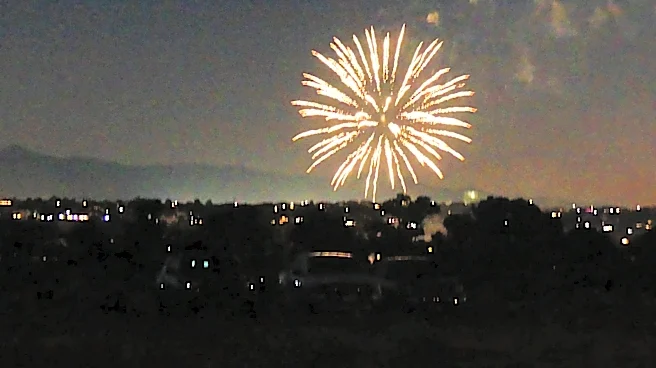
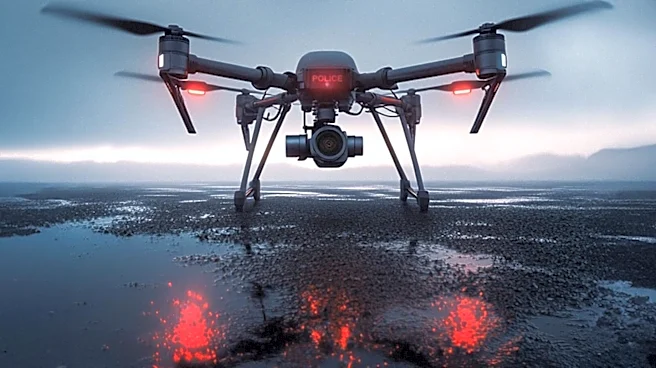
The Riverside Police Department in California has implemented the use of drones to monitor and record illegal fireworks activities during the Fourth of July celebrations. This initiative, now in its second year, aims to address the widespread issue of unauthorized
fireworks, which are banned in many parts of the state unless they have the 'safe and sane' approval from the state fire marshal. The drones are operated by a team consisting of a police drone pilot, a code enforcement officer, a firefighter, and a police officer. This team responds to illegal fireworks activities either spotted by the drones or reported by residents. The use of drones has significantly increased the number of citations issued, with 65 citations recorded in 2025, up from 24 the previous year. The drones provide video evidence that can be used for citations and prosecutions, making it more difficult for offenders to evade detection.
Why It's Important?
The deployment of drones for monitoring illegal fireworks represents a significant advancement in law enforcement tactics, particularly in enhancing public safety and compliance with local laws. The increase in citations suggests that drones are an effective tool in deterring illegal activities that pose safety risks, such as fires and injuries. This approach not only aids in enforcing the law but also helps in reducing the number of fireworks-related incidents, which have historically resulted in injuries and property damage. The initiative reflects a broader trend of integrating technology into public safety operations, potentially setting a precedent for other jurisdictions facing similar challenges.
What's Next?
As the use of drones in law enforcement continues to expand, other cities may adopt similar programs to address illegal activities, especially those that are difficult to monitor through traditional means. The success of Riverside's drone program could lead to increased investment in drone technology and training for law enforcement agencies. Additionally, there may be discussions around privacy concerns and the need for clear regulations governing the use of drones in public spaces. The ongoing evaluation of the program's effectiveness will likely influence future policy decisions regarding the use of technology in law enforcement.
Beyond the Headlines
The use of drones in law enforcement raises important questions about privacy and civil liberties. While the technology offers significant benefits in terms of efficiency and effectiveness, it also necessitates careful consideration of the ethical implications of surveillance. Ensuring that drone use is transparent and regulated will be crucial in maintaining public trust. Furthermore, the success of such programs could lead to broader applications of drone technology in other areas of public safety and emergency response, potentially transforming how these services are delivered.