




What's Happening?
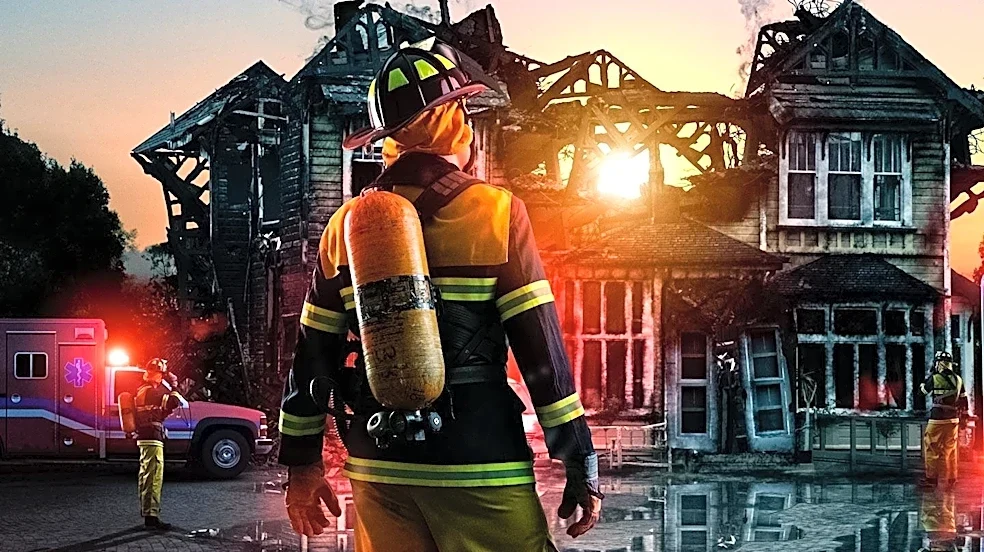
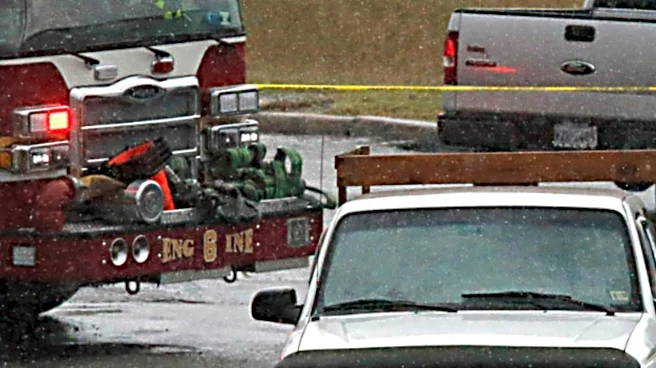
A house fire in south St. Louis on Saturday morning resulted in one person being seriously injured. Firefighters responded to a two-story, four-family home in the 4000 block of Castleman Avenue in the Shaw neighborhood before 12:30 a.m., finding heavy
fire on the second floor. A disoriented occupant became entangled in a ladder at a second-floor window. A paramedic supervisor successfully rescued the individual, carrying them down the ladder. The injured occupant was transported to the hospital in serious condition. The paramedic was evaluated and treated at the scene but declined further transport. Two other occupants were also evaluated at the scene and did not require hospital transportation. The fire was brought under control by approximately 1:30 a.m., and the St. Louis Building Division and fire investigators were called to the scene to investigate the cause.
Why It's Important?
This incident highlights the critical role of emergency services in urban environments and the immediate dangers posed by residential fires. The quick actions of the paramedic supervisor in rescuing a disoriented occupant underscore the bravery and essential skills of first responders. Such events often lead to significant property damage and displacement, impacting the affected families and potentially the broader community through increased demand for social services. The investigation by the St. Louis Building Division and fire investigators is crucial for determining the cause of the fire, which can inform future fire prevention strategies and building safety regulations. This event also serves as a reminder of the importance of fire safety measures and emergency preparedness for residents in multi-family dwellings.
What's Next?
The seriously injured occupant will continue to receive medical treatment, and their condition will be monitored. The St. Louis Building Division and fire investigators will proceed with their investigation to determine the origin and cause of the fire. This investigation may lead to findings that inform public safety campaigns or adjustments to local building codes if specific vulnerabilities are identified. The displaced residents will likely need to find alternative housing arrangements, and community support services may be activated to assist them. Depending on the investigation's outcome, there could be implications for property owners regarding insurance claims, repairs, and compliance with safety standards. The incident also prompts a review of emergency response protocols and the effectiveness of rescue operations in challenging conditions.
Beyond the Headlines
Beyond the immediate tragedy, this fire underscores broader issues related to urban housing safety and the challenges faced by emergency personnel. The disorientation of the occupant suggests the rapid and overwhelming nature of fire events, emphasizing the need for clear escape routes and early warning systems. The fact that a paramedic supervisor performed the rescue highlights the interdisciplinary nature of emergency response, where personnel often go beyond their primary roles to save lives. This incident could also spark discussions about the adequacy of fire safety education in densely populated residential areas and the resources available to fire departments. The long-term psychological and financial impacts on the seriously injured individual and the displaced families will also be significant, extending far beyond the initial event.