





What's Happening?
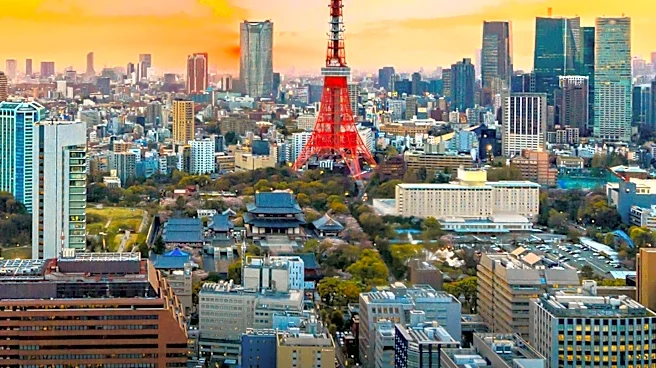
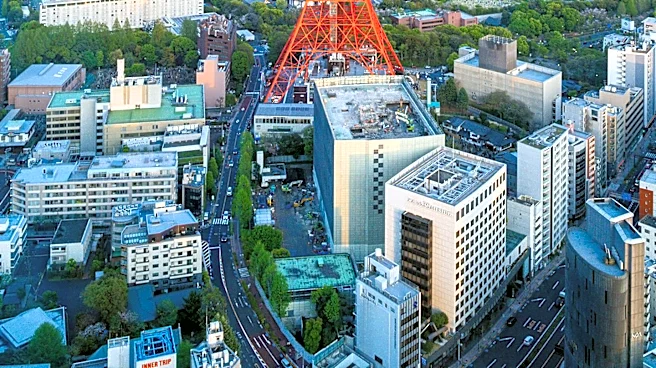
Tokyo's iconic Tokyo Tower, standing at 333 meters, was constructed in 1958 as a broadcasting tower for television and radio. Today, it serves as a popular tourist attraction, offering visitors panoramic views of central Tokyo from its two observation
decks. The main observation deck is situated at 150 meters, while a special observation deck is located at 250 meters on the top floor. The main deck, accessible by stairs or elevators, features a cafeteria, a kiosk, and 'Club 333,' a special stage for music events. At night, the tower is illuminated with various colors and patterns, conveying themes such as Earth, peace, or dreams, and its lighting can change based on events, promotions, and seasons. Within the tower, visitors can also find an aquarium, a food court, and souvenir shops. The Tokyo Tower is a 15-minute walk from the JR Hamamatsucho Station North Exit and a 5-minute walk from the Metropolitan Subway Oedo Line Akabanebashi Station Akabanebashi Exit.
Why It's Important?
The Tokyo Tower represents a significant landmark in Japan, contributing to the country's tourism industry and cultural identity. Its role as a broadcasting tower highlights its historical importance in communication infrastructure. As a major tourist destination, it attracts both domestic and international visitors, boosting local businesses through its shops, restaurants, and entertainment facilities. The tower's distinctive illumination at night adds to Tokyo's cityscape, making it a recognizable symbol and a point of interest for photographers and sightseers. The variety of attractions within the tower, from observation decks to an aquarium and music events, caters to a broad audience, enhancing its appeal as a multi-faceted entertainment venue. Its accessibility via public transportation further integrates it into Tokyo's urban fabric, making it a convenient and popular destination.
What's Next?
The Tokyo Tower is expected to continue its operations as a prominent tourist attraction and broadcasting facility. Its ongoing appeal will likely be maintained through continued efforts to offer diverse entertainment options, such as special music events at Club 333 and seasonal lighting displays. The tower's management may explore new ways to enhance the visitor experience, potentially through technological upgrades to its observation decks or new retail and dining partnerships. Given its status as an iconic landmark, it will likely remain a key feature in Tokyo's tourism promotions and a significant contributor to the city's image. Future events and promotions will continue to utilize the tower's unique lighting capabilities to mark special occasions or convey specific messages.
Beyond the Headlines
Beyond its immediate function as a tourist attraction, the Tokyo Tower holds cultural significance as a symbol of post-war Japanese reconstruction and technological advancement. Its design, inspired by the Eiffel Tower, reflects a blend of international influence and Japanese ingenuity. The tower's nightly illuminations, which vary in color and pattern, often convey deeper symbolic meanings related to national sentiment, environmental awareness, or celebratory themes, making it a dynamic canvas for public expression. Its enduring presence in Tokyo's skyline, even with the emergence of newer, taller structures, underscores its status as a beloved and recognizable icon. The tower also serves as a reminder of the evolution of urban landscapes and the continuous effort to integrate historical landmarks with modern entertainment and infrastructure.