

What's Happening?
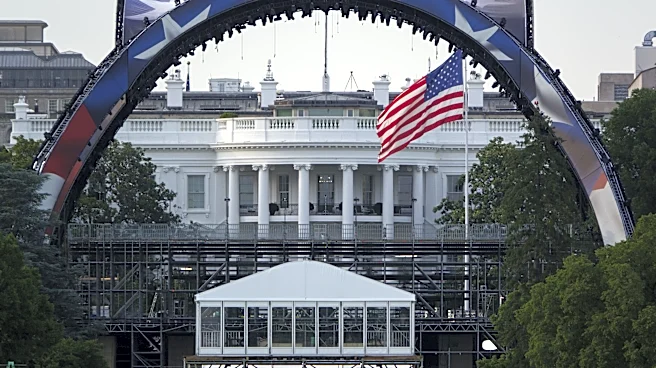
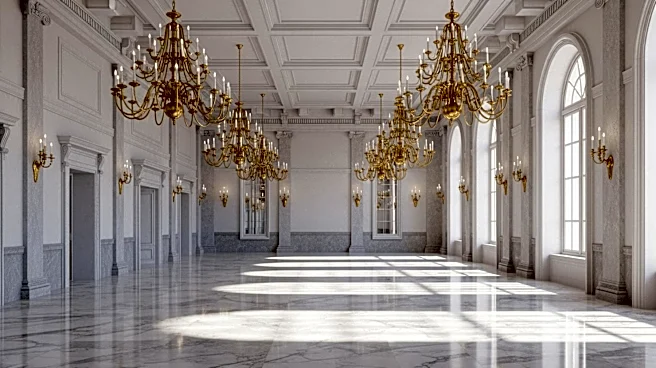
President Trump is pushing forward with plans to transform Washington D.C.'s cityscape, facing significant resistance from legal and political fronts. His initiatives include constructing a new ballroom at the White House and a triumphal arch on the National
Mall. These projects have encountered legal challenges and opposition from preservationists and lawmakers, raising concerns about their impact on historic sites and taxpayer costs. Despite setbacks, Trump is determined to complete these projects before leaving office, viewing them as part of his legacy. The administration argues that these efforts are beautification projects, but critics question their necessity and funding sources.
Why It's Important?
The transformation of Washington D.C.'s cityscape under President Trump's administration reflects broader themes of legacy-building and political power. The projects have sparked debates over the use of public funds, historical preservation, and the role of federal oversight. As the midterm elections approach, these initiatives could influence public perception and political dynamics, particularly if they are seen as extravagant or mismanaged. The legal and political challenges faced by these projects also highlight the checks and balances inherent in U.S. governance, as various stakeholders contest the administration's plans.
What's Next?
The future of Trump's cityscape projects remains uncertain, with ongoing legal battles and potential congressional oversight looming. The administration may face increased scrutiny from a potentially Democratic-controlled Congress, which could further complicate efforts to complete these projects. Additionally, public opinion and media coverage will likely play a role in shaping the narrative around these initiatives, influencing their ultimate success or failure. The outcome of these projects could have lasting implications for Trump's legacy and the architectural landscape of the nation's capital.