



What's Happening?
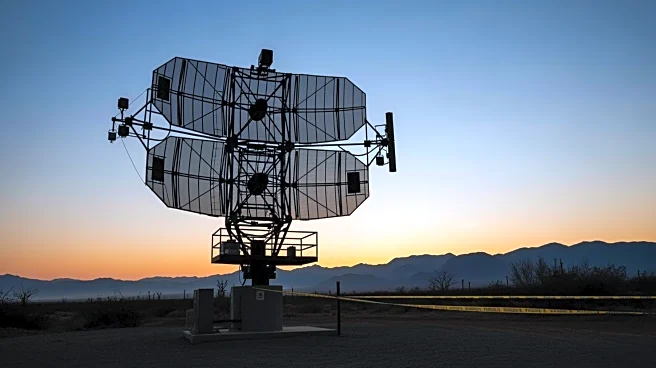
Turkey has deployed an advanced radar system at Damascus International Airport, which could limit Israel's freedom of action in Syrian airspace. The HTRS-100 radar system, developed by Turkish defense company ASELSAN, enhances Syria's air traffic control
capabilities by providing precise detection and tracking of aerial targets. This move is part of Turkey's broader strategy to establish radar systems across Syria, potentially reducing Israel's ability to conduct air operations in the region. The deployment has heightened tensions between Israel and Turkey, with concerns that it could undermine Israel's strategic interests in Syria.
Why It's Important?
The deployment of Turkish radar systems in Syria represents a significant shift in the regional power dynamics, potentially affecting Israel's military operations and strategic planning. Israel has relied on its ability to operate freely in Syrian airspace to counter threats from Iran and other adversaries. The new radar systems could complicate these operations, forcing Israel to reassess its military strategies. The development also reflects the growing influence of Turkey in the region, which could lead to further geopolitical tensions and impact the balance of power in the Middle East.
What's Next?
Israel may seek diplomatic or military responses to counter the potential threat posed by the Turkish radar systems. This could involve engaging with international allies to address the issue or exploring technological solutions to bypass the radar's capabilities. The situation may also prompt discussions within the international community about the implications of Turkey's actions and the need for a coordinated response to maintain regional stability.