




What's Happening?
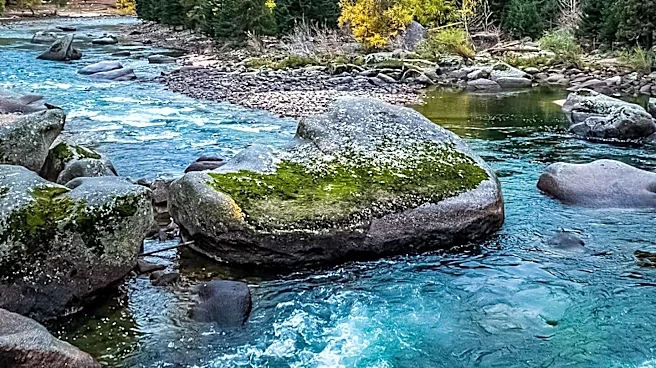
California is undertaking significant efforts to balance economic growth with conservation, aiming to protect 30% of its land and coastal waters by 2030. This initiative, known as the 30x30 goal, is part of the state's broader strategy to combat climate
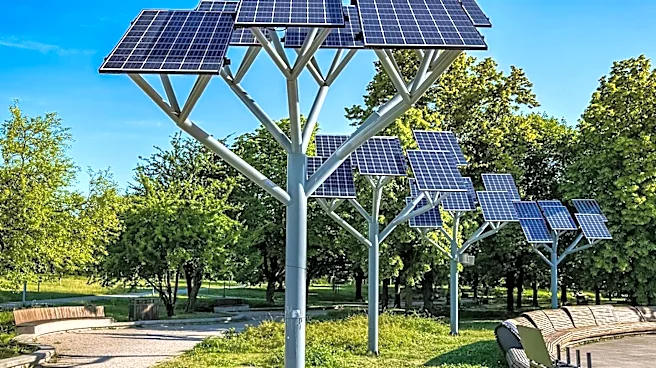
change and achieve net-zero greenhouse gas emissions by 2045. The state has already conserved 2.5 million additional acres of land and increased its renewable energy usage, meeting its 2030 clean-energy target ahead of schedule. However, challenges remain, including the need to conserve nearly 800,000 acres annually for the next five years and the potential impact of federal policy changes under the Trump administration.
Why It's Important?
California's efforts are significant as they set a precedent for other states and countries in balancing economic development with environmental conservation. As the fourth-largest economy in the world, California's policies have the potential to influence global climate strategies. The state's success in integrating renewable energy and conservation could serve as a model for sustainable development. However, the challenges of meeting ambitious conservation targets and navigating federal policy changes highlight the complexities of environmental governance. The outcome of California's efforts could have far-reaching implications for climate policy and economic growth worldwide.
What's Next?
California will need to continue its aggressive conservation and renewable energy initiatives to meet its 30x30 and net-zero goals. The state will also need to address potential conflicts between conservation and development, such as those seen in the Mojave Desert. As Governor Gavin Newsom approaches the end of his term, the continuity of these efforts will depend on future leadership. The state may also face legal and political challenges as it seeks to maintain its environmental policies in the face of federal opposition. The success of California's initiatives will depend on sustained commitment and innovative solutions to balance growth and conservation.