







What's Happening?
The United States experienced its hottest March on record, with data from the National Oceanic and Atmospheric Administration (NOAA) showing extreme warmth across large regions. Ten states, including California, Texas, and Nevada, recorded their hottest March in 131
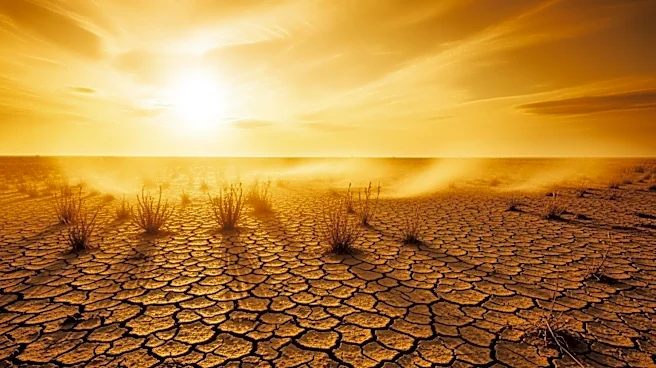
years. This unprecedented heat has accelerated snowmelt, strained water resources, and extended drought conditions, particularly in the West and Southwest. The dry conditions have expanded drought coverage to nearly 60% of the contiguous U.S., raising concerns about water availability and agricultural impacts.
Why It's Important?
The record-breaking temperatures highlight the growing impact of climate change, with extreme weather events becoming more frequent and severe. The early onset of heat and drought conditions poses significant risks to agriculture, water supply, and public health. As climate change continues to alter weather patterns, the U.S. may face increased challenges in managing natural resources and mitigating environmental impacts. The situation underscores the need for comprehensive climate policies and adaptation strategies to address these emerging threats.
What's Next?
Forecasts suggest that above-average temperatures and dry conditions will persist in the coming months, particularly in the West and Southeast. This could exacerbate drought conditions and increase the risk of wildfires. Policymakers and environmental agencies may need to implement measures to conserve water and manage fire risks. The ongoing climate challenges may also prompt further discussions on national and international climate action, as well as investments in renewable energy and sustainable practices.