




What's Happening?
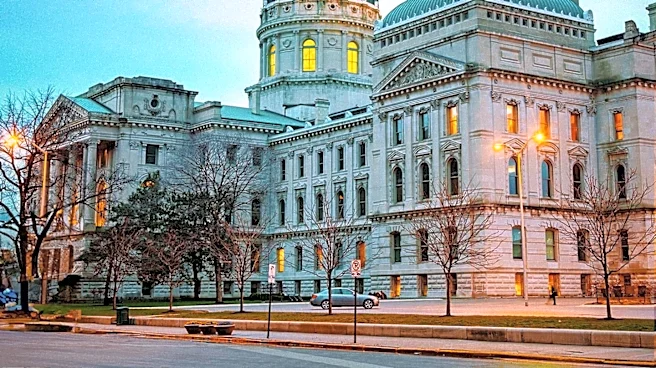
The Indiana Supreme Court has issued an order to halt the distribution of general election ballots in six counties. This decision comes as the court considers legal arguments surrounding a Republican primary recount for Indiana State Senate District 23.
The recount initially showed challenger Paula Copenhaver defeating incumbent State Senator Spencer Deery by a narrow three-vote margin. Deery, a first-term senator, had initially held a three-vote lead after the May primary. However, the Indiana Recount Commission later flipped the outcome in favor of Copenhaver, who had the endorsement of President Trump. Deery's appeal to the Supreme Court centers on six ballots cast for him that were reportedly tossed due to missing signatures, which his attorneys argue were the result of election worker omissions rather than voter error. Copenhaver's legal team contends that Deery has not provided sufficient evidence for this claim and that it is too late for judicial intervention, given the August 21 certification deadline for the fall election.
Why It's Important?
This legal intervention by the Indiana Supreme Court underscores the critical importance of every vote in close elections and the meticulous process of election integrity. The dispute over a mere three votes highlights the potential for procedural errors or interpretations of election law to significantly alter outcomes. The involvement of President Trump's endorsement in Copenhaver's campaign adds a layer of national political significance to this local race, reflecting the broader trend of national figures influencing state-level primaries. The court's decision to halt ballot distribution ensures that the legal challenge is fully addressed before voters receive their general election materials, aiming to prevent further complications or challenges to the legitimacy of the election. This case could set a precedent for how similar ballot disputes are handled in Indiana and potentially influence election procedures in other states facing tight races and legal challenges.
What's Next?
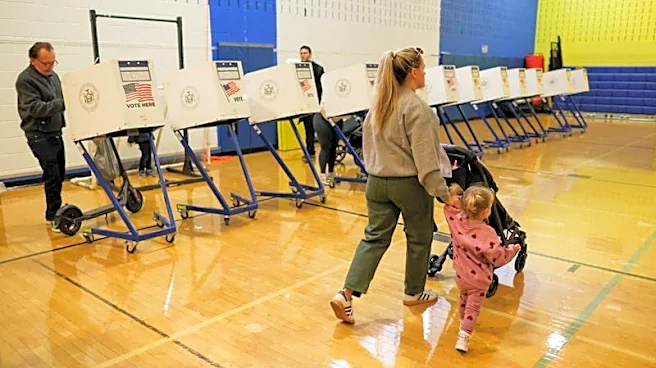
The Indiana Supreme Court is scheduled to hear arguments in the case on September 10. This hearing will be crucial in determining the fate of the six disputed ballots and, consequently, the final outcome of the Republican primary for Senate District 23. The court's decision will directly impact whether Deery or Copenhaver proceeds to the general election. The state law sets a September 19 deadline for county election offices to begin mailing out absentee ballots, with early in-person voting starting on October 6. The court's ruling will need to be issued promptly to allow election officials sufficient time to prepare and distribute the correct ballots. Regardless of the outcome, the case is likely to draw significant attention to election administration processes and the role of judicial review in resolving electoral disputes, especially in races with razor-thin margins.
Beyond the Headlines
This case delves into the intricate details of election administration and the potential for human error or differing interpretations of rules to impact democratic processes. The argument that missing signatures were due to election worker omissions rather than voter fault raises questions about accountability and training for election officials. It also highlights the tension between strict adherence to election deadlines and ensuring every legally cast vote is counted. The broader implication is the erosion of public trust in election results when such disputes arise, regardless of the final judicial outcome. This situation could prompt a review of Indiana's election laws and procedures to prevent similar issues in future elections, particularly concerning ballot validity and the appeals process. The political endorsement from President Trump also underscores the continued influence of national political figures in local races, potentially increasing partisan scrutiny on what would otherwise be a localized electoral dispute.