



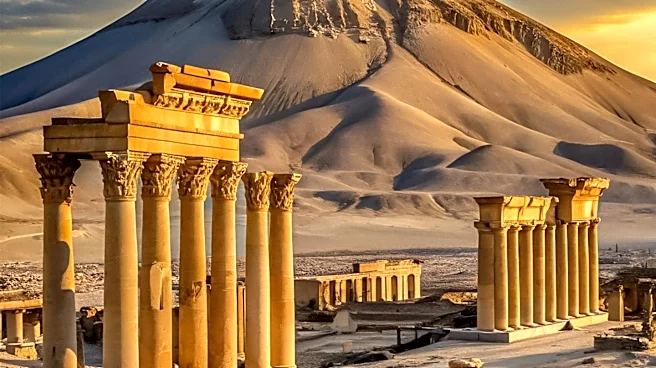
What's Happening?
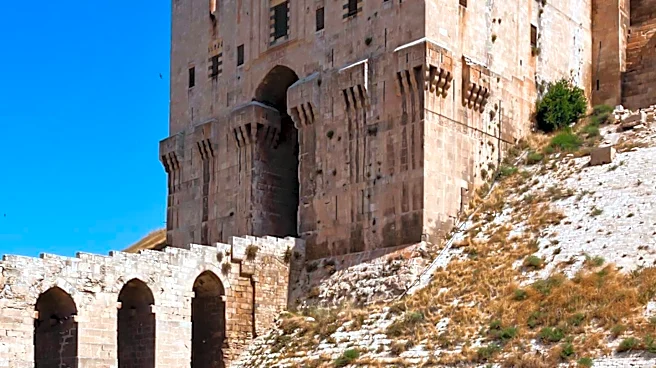
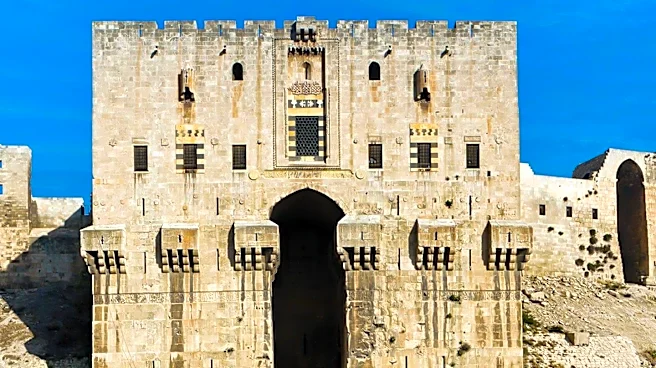
In Syria, efforts to preserve architectural heritage are gaining momentum through initiatives like the Deir ez-Zor Heritage Library. Established in 2018, this project documents the historic architecture of Deir ez-Zor, including Ottoman-era buildings,
markets, and religious sites, using digital tools like photogrammetry. These efforts are crucial as many structures have suffered additional damage from the 2023 earthquake. The initiative not only records buildings but also captures the social and material knowledge of the community, with contributions from former residents and local craftspeople. Similar projects are emerging across Syria, focusing on creating digital repositories and documenting endangered buildings to preserve architectural knowledge amidst ongoing conflict.
Why It's Important?
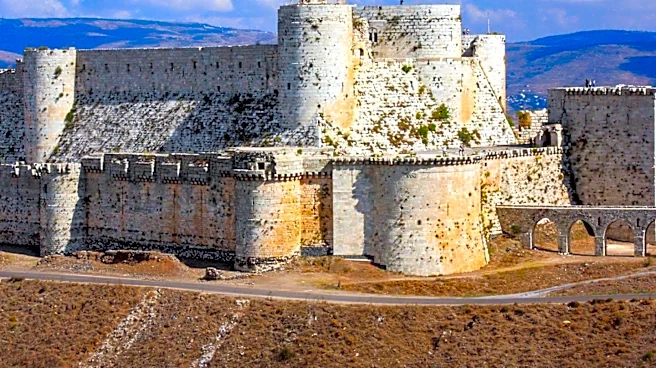
Preserving architectural heritage in conflict zones like Syria is vital for maintaining cultural identity and historical continuity. These efforts ensure that the knowledge required for future reconstruction is not lost, which is crucial for long-term recovery. By documenting and preserving architectural knowledge, these initiatives help safeguard the skills and techniques necessary for rebuilding, which are often passed down through generations. This approach not only protects physical structures but also supports the cultural and social fabric of communities, providing a foundation for sustainable reconstruction and development.
What's Next?
The continuation of these preservation efforts will likely involve further documentation and training programs to ensure that local craftspeople can maintain and restore historic buildings. International organizations may increase support for such initiatives, recognizing the importance of preserving cultural heritage in post-conflict recovery. As these projects expand, they could serve as models for other regions facing similar challenges, emphasizing the integration of cultural preservation into broader reconstruction strategies.
Beyond the Headlines
The preservation of architectural heritage in Syria highlights the broader issue of cultural continuity in conflict zones. These efforts underscore the importance of maintaining local knowledge and skills, which are often overlooked in traditional reconstruction metrics. By focusing on cultural preservation, these initiatives contribute to a more holistic understanding of recovery, where the restoration of physical structures is intertwined with the revival of community identity and resilience.