




What's Happening?
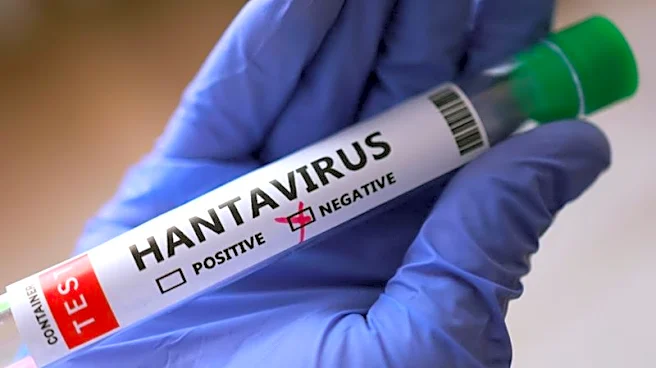
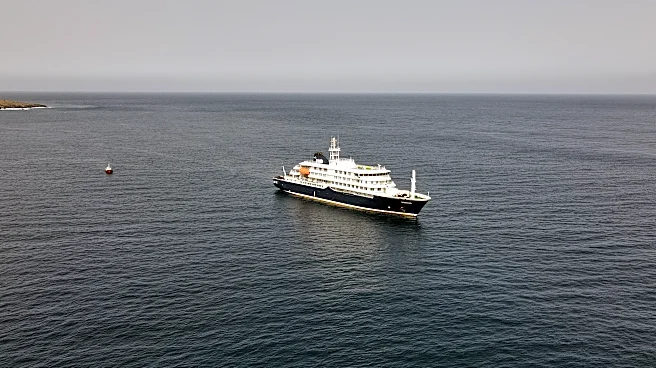
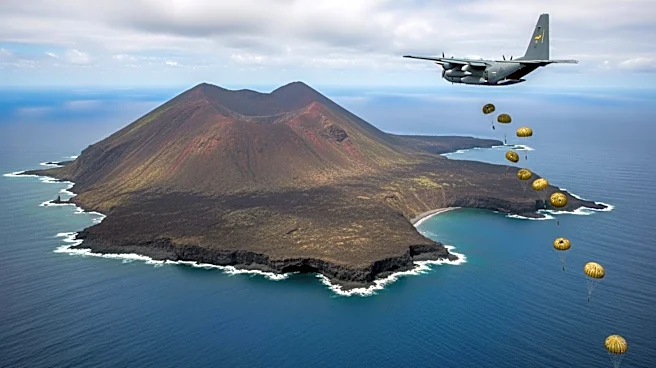
British Army paratroopers from the 16 Air Assault Brigade executed a challenging parachute jump onto Tristan da Cunha, a remote British overseas territory, to deliver urgent medical supplies. The mission was prompted by a suspected hantavirus case involving
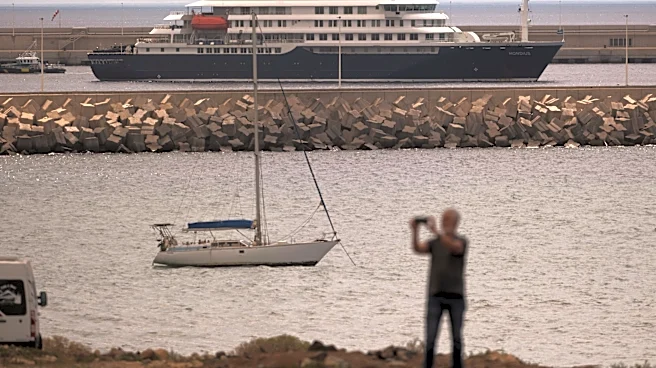
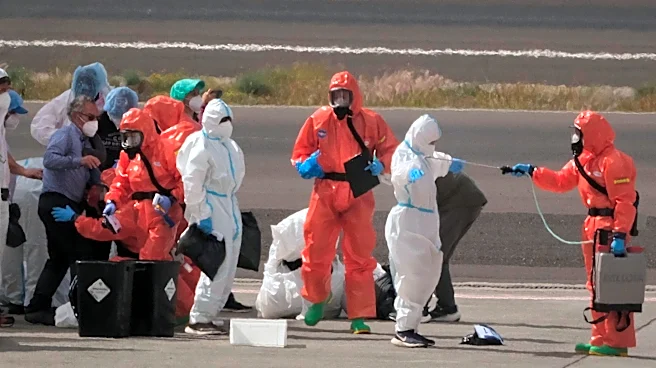
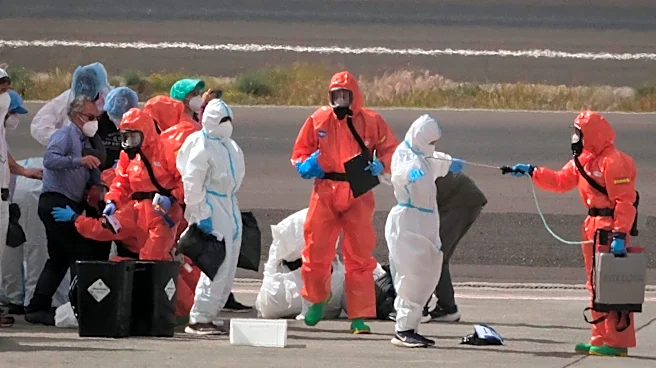
a resident who had disembarked from the MV Hondius cruise ship. The operation involved a team of six paratroopers, a doctor, and an intensive care nurse, who were tasked with providing necessary medical support and equipment, including oxygen canisters. The jump was conducted from an RAF A400M transport aircraft, with the team navigating through clouds to reach the island. The medical team immediately attended to the patient, while the paratroopers coordinated further supply drops.
Why It's Important?
This operation underscores the strategic importance of maintaining rapid deployment capabilities for humanitarian and medical emergencies. The successful airdrop highlights the British Army's readiness to respond to crises in remote locations, ensuring timely medical intervention. The mission also emphasizes the critical role of military resources in supporting public health efforts, particularly in isolated regions where conventional access is limited. The deployment of such resources can significantly impact the health outcomes of affected individuals and prevent the spread of infectious diseases.
What's Next?
The paratroopers and medical team will remain on Tristan da Cunha to monitor the patient's condition and provide ongoing support. Plans for their extraction are underway, with the possibility of boarding HMS Medway, an offshore patrol vessel en route from the Falklands. The situation will continue to be closely monitored by the government of St Helena, with updates on the patient's health status and the team's activities expected. This mission may prompt further evaluations of emergency response protocols for remote territories.
Beyond the Headlines
The operation highlights the logistical challenges and strategic planning required for medical interventions in remote areas. It also raises questions about the preparedness of isolated communities to handle infectious disease outbreaks and the role of international cooperation in such scenarios. The mission may lead to increased focus on enhancing medical infrastructure and emergency response capabilities in similar territories.