






What's Happening?
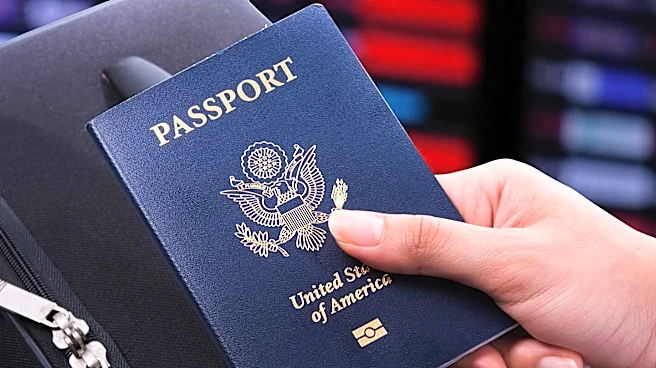
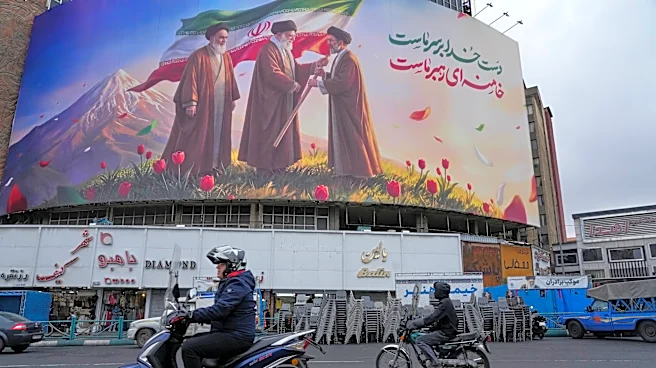
The U.S. government has advised its citizens to reconsider travel to Saudi Arabia. This advisory is based on several significant risks, including the potential for Iranian drone and missile attacks, ongoing armed conflict, and the threat of terrorism.
Additionally, U.S. citizens face risks related to exit bans and strict local laws concerning social media activity. The advisory specifically warns against travel to the Yemen border due to the high threat of terrorism in that area. U.S. citizens are encouraged to enroll in the Smart Traveler Enrollment Program (STEP) to receive critical updates and alerts directly from the U.S. embassy or consulate. They should also review the Country Security Report for Saudi Arabia and monitor local media for any breaking events. Furthermore, travelers bringing prescription medications into or out of Saudi Arabia must ensure they have prior approval.
Why It's Important?
This travel advisory is important as it highlights the complex security and legal environment U.S. citizens may encounter in Saudi Arabia. The mention of Iranian drone and missile targeting underscores regional geopolitical tensions, which could escalate and directly impact the safety of foreign nationals. The risk of armed conflict and terrorism indicates a volatile security landscape, posing direct threats to personal safety. The warning about exit bans and local laws on social media activity is particularly significant, as it points to potential legal entanglements that could restrict a U.S. citizen's freedom of movement or expression, leading to prolonged detention. For U.S. government employees, the recent change allowing family members to join them in Saudi Arabia suggests an ongoing U.S. presence and engagement in the region, making these security concerns relevant to a broader segment of the U.S. population and their dependents. The need for prior approval for prescription medications also highlights the strict regulatory environment, which could cause significant issues for travelers with health needs.
What's Next?
U.S. citizens planning travel to Saudi Arabia should closely monitor updates from the U.S. Department of State and the U.S. embassy or consulate in Saudi Arabia. Enrollment in the Smart Traveler Enrollment Program (STEP) will be crucial for receiving real-time security alerts and information. Travelers should also conduct thorough research on local laws, particularly regarding social media use, to avoid inadvertent violations that could lead to severe consequences, such as exit bans. For those requiring prescription medications, obtaining prior approval before travel will be a necessary step to ensure compliance with Saudi Arabian regulations. The ongoing geopolitical situation, particularly concerning Iranian activities and regional conflicts, will likely continue to influence future travel advisories. The U.S. government will continue to assess the security landscape and update its guidance as conditions evolve, potentially leading to further adjustments in travel recommendations or specific warnings for certain areas within Saudi Arabia.
Beyond the Headlines
The U.S. travel advisory for Saudi Arabia extends beyond immediate safety concerns, touching upon broader issues of sovereignty, legal jurisdiction, and the protection of U.S. citizens abroad. The emphasis on local laws, especially regarding social media, highlights the clash between Western norms of free expression and the more restrictive legal frameworks in some countries. This can lead to situations where actions considered innocuous in the U.S. could result in severe penalties abroad, raising questions about consular assistance and the limits of diplomatic protection. The mention of exit bans underscores the potential for individuals to become entangled in legal disputes that prevent them from leaving the country, a significant concern for human rights advocates. Furthermore, the advisory implicitly reflects the complex U.S.-Saudi relationship, balancing strategic interests with the imperative to ensure the safety and rights of U.S. citizens in a region marked by geopolitical instability and varying legal standards. This situation prompts a deeper consideration of personal responsibility when traveling to countries with vastly different legal and cultural norms.