






What's Happening?
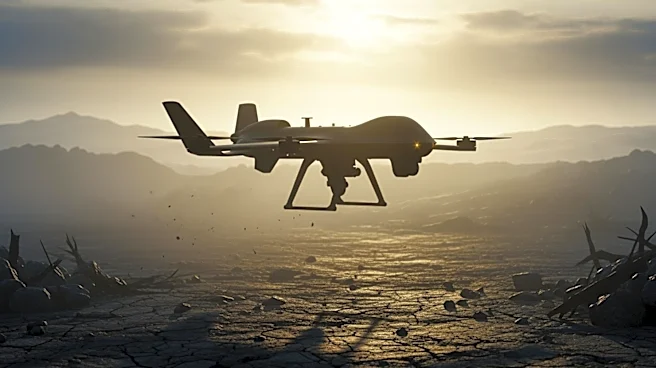
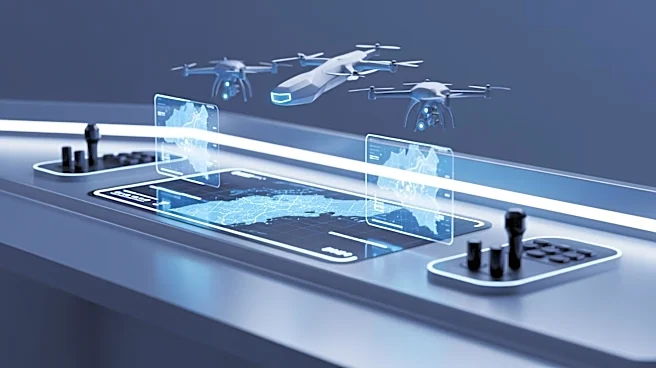
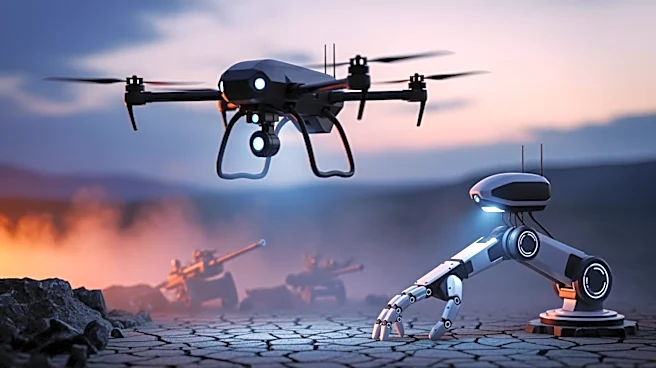
The Senate Armed Services Committee has proposed the establishment of a new combatant command focused on robotic and autonomous systems within the Department of Defense. This initiative is part of the National Defense Authorization Act and aims to integrate
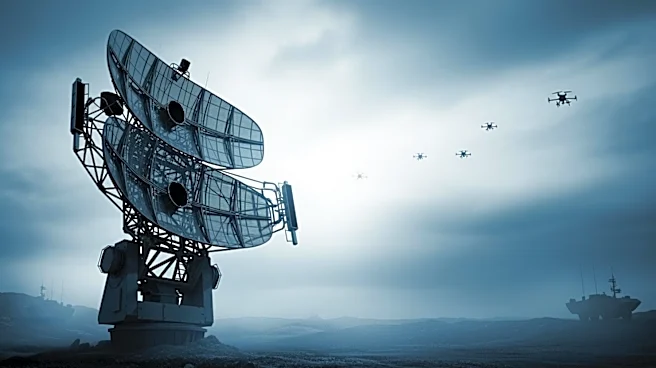
and accelerate the deployment of unmanned systems across various military domains. The proposal was inspired by Ukraine's recent advancements in drone warfare. The new command would be led by a four-star general and would have special test and evaluation authorities to experiment with emerging technologies. The committee's version of the NDAA has passed with a vote of 18-9, although the full text of the bill has not yet been released.
Why It's Important?
The creation of a dedicated command for autonomous warfare reflects a significant shift in military strategy, emphasizing the importance of unmanned systems in future conflicts. This move could enhance the U.S. military's capabilities in areas such as surveillance, logistics, and combat operations, potentially reducing the risk to human personnel. The proposal also highlights the growing influence of technological advancements in defense strategies, as seen in Ukraine's effective use of drone swarms. However, the initiative has sparked debate over funding mechanisms, with concerns about bypassing traditional appropriations processes through reconciliation bills.
What's Next?
If the proposal is approved, the Department of Defense will work with the Senate Armed Services Committee to flesh out the details of the new command. This includes determining how it will operate alongside existing military efforts and other autonomous warfare groups. The Pentagon has requested significant funding for the Defense Autonomous Working Group, which could support the new command's initiatives. However, the funding process may face challenges, as some lawmakers express concerns about the precedent set by using reconciliation bills for defense spending.