
What's Happening?
During a recent meeting of the Interim Joint Committee on Agriculture, Kentucky lawmakers discussed the current strengths, challenges, and risks facing the state's agriculture industry. Agricultural economists
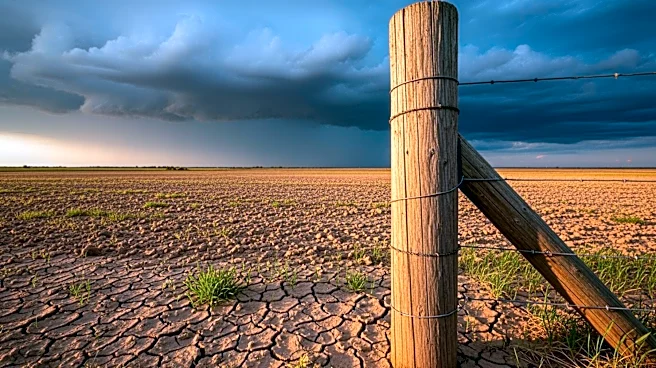
from the University of Kentucky, along with a senior vice president from Farm Credit Mid-America, provided insights into the sector's conditions. They highlighted strengths such as strong land values and high cattle prices, while noting challenges like declining working capital and rising fuel and fertilizer costs. Risks include geopolitical issues and climate change, which is expected to increase natural disasters and affect crop yields. The committee emphasized the importance of diversification and collaboration among lawmakers to support the agriculture industry.
Why It's Important?
The discussions underscore the critical role agriculture plays in Kentucky's economy, impacting both rural and urban communities. The sector's health is vital for job creation and economic integration across the state. Addressing challenges such as climate change and economic pressures is crucial for maintaining productivity and ensuring food security. The focus on collaboration and diversification aims to bolster the industry's resilience against these challenges, which could have broader implications for the state's economic stability and growth.
What's Next?
Lawmakers and industry leaders are expected to continue exploring strategies to mitigate the identified challenges. This includes potential policy measures to support young farmers, manage climate risks, and stabilize input costs. The ongoing dialogue between agricultural stakeholders and policymakers will be crucial in shaping future legislative actions to sustain and enhance the sector's contributions to the state's economy.
Beyond the Headlines
The discussions also highlight the need for long-term planning to address the aging farmer population and the loss of farmland to development. These issues require innovative solutions to ensure the sustainability of agriculture in Kentucky. The integration of climate considerations into agricultural planning is likely to become increasingly important, influencing both policy and practice in the sector.