





What's Happening?
Traditional drug courts are under scrutiny for failing to address the unique challenges faced by women in the justice system. The current models are criticized for being based on male patterns of addiction and accountability, neglecting the specific needs
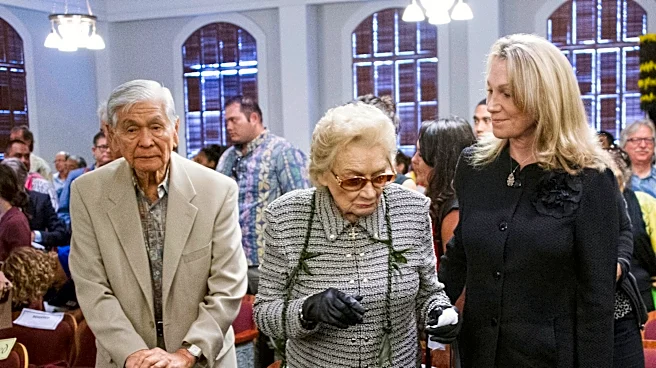
of women, such as trauma, economic dependence, and caregiving responsibilities. A randomized trial in San Diego County demonstrated that women in gender-responsive drug court programs had better outcomes, including lower PTSD symptoms and higher completion rates. The article highlights the success of Hawaii's Na Hulu Wehi women's court, which offers trauma-informed care and culturally grounded healing, as a model for reform.
Why It's Important?
The criticism of traditional drug courts underscores the need for reform in the justice system to better support women. By failing to address the distinct vulnerabilities of women, such as trauma and economic dependence, these courts may inadvertently contribute to recidivism and perpetuate cycles of addiction and incarceration. Implementing gender-responsive programs could lead to more effective rehabilitation, reduce incarceration rates, and save taxpayer money. The success of Hawaii's model suggests that similar approaches could be adopted elsewhere, potentially transforming public safety and justice reform efforts across the U.S.
What's Next?
Advocates are calling for the introduction of legislation to create women's courts modeled after successful programs like Hawaii's. Such initiatives could lead to significant changes in how the justice system handles cases involving women, prioritizing rehabilitation over punishment. The potential for these reforms to reduce recidivism and improve outcomes for women could prompt other states to consider similar measures. As discussions around justice reform continue, stakeholders, including legislators, advocacy groups, and community organizations, will play a crucial role in shaping the future of drug courts and their impact on women.