








What's Happening?
A bear was captured on surveillance footage breaking into the Mammoth Lakes Library in California early Wednesday morning. The animal wandered through the building's upper floor before employees arrived. The Mono County Office of Education humorously
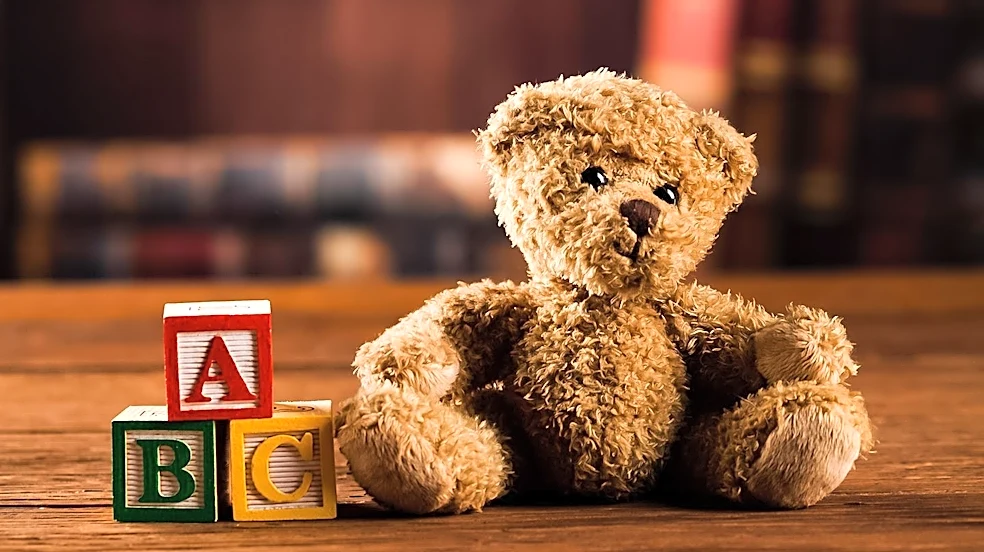
suggested on social media that the 'Li-BEAR-ian' might have been searching for a copy of 'Winnie The Pooh,' noting the incident occurred on the 100th anniversary of the book's first publication. Officials have not yet determined how the bear gained entry into the library, but it had already exited the premises before staff arrived. The library, part of the Mono County Free Libraries system, holds over 180,000 physical titles. The incident has garnered significant attention online, with many appreciating the unusual 'bookworm' bear.
Why It's Important?
This incident, while seemingly lighthearted, highlights the increasing frequency of wildlife encounters in residential and public areas, particularly in regions bordering natural habitats like Mammoth Lakes, California. It underscores the challenges faced by communities in managing human-wildlife coexistence as urban and suburban developments expand into animal territories. For public institutions like libraries, it raises questions about security measures and protocols for dealing with unexpected animal intrusions. The viral nature of the story also demonstrates the public's fascination with such events, often leading to humorous interpretations and increased awareness of local wildlife. This type of interaction can prompt discussions among local authorities and residents about preventative measures, wildlife management strategies, and public safety in areas where human and animal populations overlap.
What's Next?
Local authorities and the Mammoth Lakes Library staff will likely investigate how the bear entered the building to prevent future occurrences. This could involve reviewing and enhancing security measures, such as reinforcing entry points or implementing animal-deterrent strategies. The incident may also lead to increased public awareness campaigns about wildlife safety and responsible behavior in bear country, advising residents and visitors on how to secure their properties and avoid attracting animals. Wildlife management agencies might also monitor bear activity in the area more closely. The story's popularity could also inspire local initiatives or educational programs focused on wildlife conservation and coexistence, leveraging the humorous aspect of the event to engage the community.
Beyond the Headlines
The bear's library visit, beyond its immediate charm, subtly reflects broader ecological shifts and the impact of human expansion. As natural habitats shrink or become fragmented, wildlife is increasingly forced into closer proximity with human settlements, leading to more frequent and sometimes unusual encounters. This event serves as a whimsical yet poignant reminder of the delicate balance between human development and the natural world. It also touches upon the cultural phenomenon of anthropomorphizing animals, as seen in the 'Winnie the Pooh' comparison, which can foster empathy and connection with wildlife but also sometimes obscure the realities of animal behavior and ecological needs. The incident, therefore, can be viewed as a small, localized symptom of larger environmental and land-use challenges facing communities across the U.S.