




What's Happening?
A group of Florida House Democrats, including Representatives Debbie Wasserman Schultz, Darren Soto, Maxwell Frost, and Kathy Castor, have issued a letter to the Trump administration urging the repeal of recent changes to the Endangered Species Act (ESA).
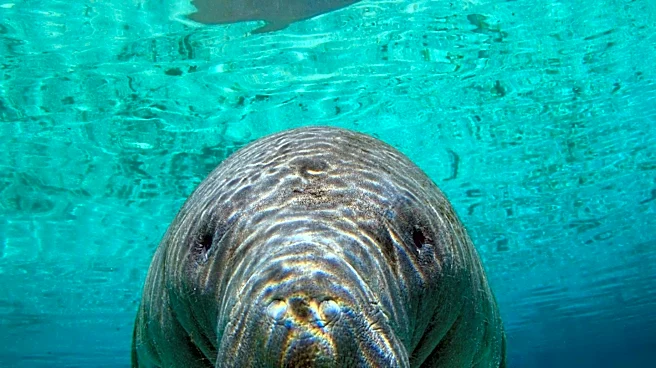
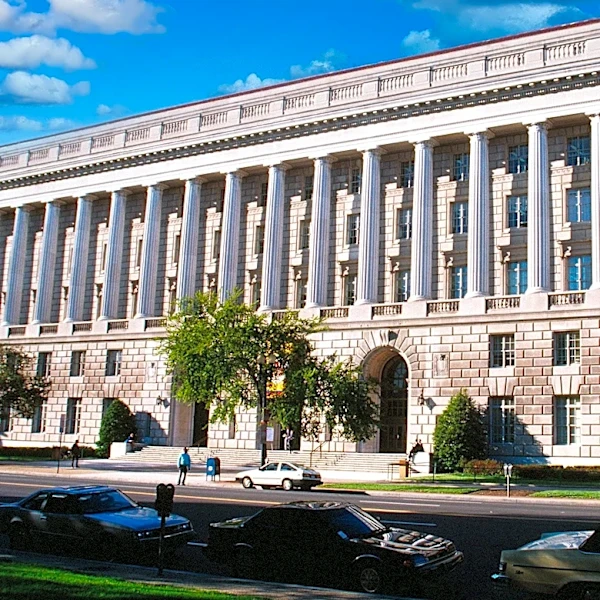
These changes redefine 'harm' to exclude habitat modification and degradation, which the Democrats argue could lead to habitat destruction. The lawmakers contend that this rollback threatens Florida's unique ecosystems and the species that depend on them, such as the Florida panther and manatee. The Department of the Interior's revisions also include eliminating the 'Blanket Rule' and revising critical habitat designations, which the Democrats believe will weaken protections for threatened species.
Why It's Important?
The rollback of ESA protections could have significant implications for Florida's biodiversity and tourism economy, which relies heavily on its natural habitats. By removing habitat modification from the definition of 'harm,' the changes could facilitate development activities that threaten endangered species. This move has sparked concern among environmentalists and lawmakers who fear it could accelerate the extinction of vulnerable species. The changes also reflect a broader trend of prioritizing economic considerations over environmental protections, which could have long-term impacts on conservation efforts nationwide.
What's Next?
The rule changes are set to take effect on September 14, 2026. In response, a coalition of environmental groups has filed a lawsuit challenging the 'harm' rule. The outcome of this legal challenge could influence future ESA policy and conservation strategies. Additionally, the ongoing debate may prompt further legislative or administrative actions to address the balance between economic development and environmental protection.