





What's Happening?
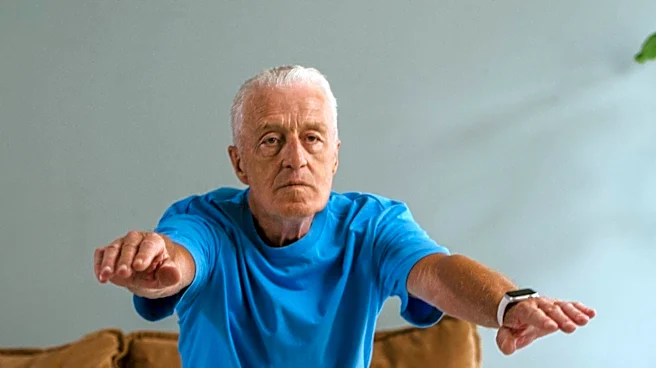
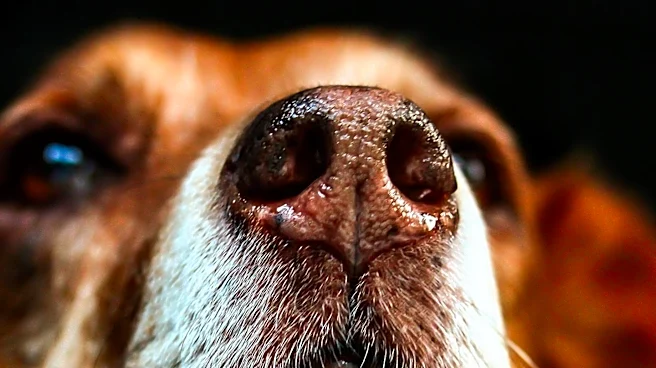
New research from the Dog Aging Project indicates that dogs and humans share similar metabolic patterns linked to lifespan. A study published in The Journals of Gerontology analyzed metabolites—small chemicals produced during bodily processes—in dogs and found
that certain combinations were associated with earlier or later death, mirroring patterns previously identified in humans. Dr. Kate Creevy, chief veterinary officer for the Dog Aging Project, highlighted that this consistency suggests a shared biology of aging between the two species. The project, a nationwide community science effort, tracks pet dogs throughout their lives, collecting detailed survey information and biological samples to understand how lifestyle and environment affect long-term health.
Why It's Important?
This discovery holds significant importance for both human and canine health in the U.S. By identifying shared biological signals of aging, scientists can leverage existing human research to benefit dogs and use dogs as a valuable model to study aging across an entire lifespan more rapidly due to their shorter lifespans (12-13 years compared to 70+ for humans). This comparative approach could accelerate the development of interventions to improve health and extend lifespan for both species. For dog owners, the practical message is that behaviors promoting healthier aging in humans—such as a healthy diet, maintaining a healthy body weight, and preserving mobility and cognitive health—are likely beneficial for their pets as well. This could lead to improved veterinary care and public health recommendations for pet owners.
What's Next?
The identification of these metabolic patterns serves as a starting point for further investigation into the mechanisms influencing aging. Researchers will now focus on understanding why these specific biomarkers are present and how they contribute to longevity or earlier mortality. This could lead to the development of new diagnostic tools or therapeutic targets for age-related diseases in both dogs and humans. The Dog Aging Project will continue to collect data, allowing for longitudinal studies that track changes in health and aging over time. Expect to see more collaborative research between veterinary and human medicine, aiming to translate findings from one species to the other to enhance overall health and longevity.
Beyond the Headlines
Beyond the scientific implications, this research highlights the profound connection between humans and their companion animals. The shared aging biology underscores how intertwined our lives and health trajectories can be. It encourages a deeper appreciation for the role pets play in our lives, not just as companions but as biological mirrors that can offer insights into our own health. This could foster a more holistic approach to wellness, where the health of pets is seen as an integral part of family well-being. The project also exemplifies the power of community science, demonstrating how widespread public participation can contribute significantly to scientific discovery, potentially inspiring similar large-scale, collaborative research efforts in other areas of health and biology.