




What's Happening?
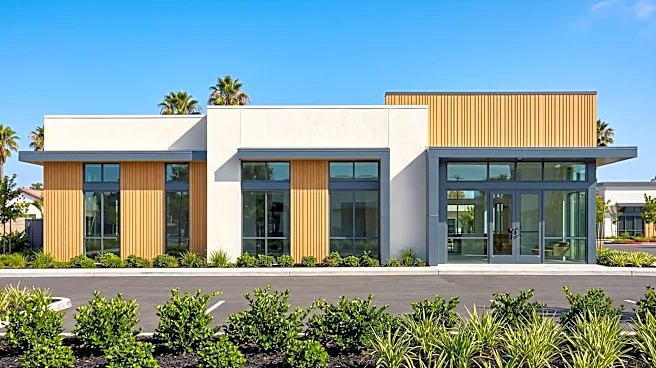
The American Red Cross is actively seeking blood and platelet donors at its donation center located in the Carolina Forest area of Myrtle Beach, South Carolina. The organization emphasizes the continuous need for donations to help save lives. The Myrtle Beach Red Cross Blood
and Platelet Donation Center is situated at 3681 Renee Drive, Unit #4. Individuals interested in contributing to this vital cause are encouraged to schedule an appointment. The call for donors was highlighted during a segment on 'Grand Strand Today,' a local news program, underscoring the importance of community participation in maintaining blood supply levels.
Why It's Important?
Blood and platelet donations are critical for the functioning of the U.S. healthcare system, supporting patients undergoing surgeries, cancer treatments, organ transplants, and those involved in accidents or suffering from chronic illnesses. A consistent and adequate supply of blood products is essential for hospitals to provide life-saving care. The American Red Cross plays a pivotal role in collecting and distributing these donations nationwide. Local donation centers, like the one in Myrtle Beach, are crucial hubs for community engagement and ensuring regional blood needs are met. Public awareness campaigns and calls for donors are vital to prevent shortages, which can have severe consequences for patient care and emergency preparedness across the country.
What's Next?
The American Red Cross will continue its efforts to encourage blood and platelet donations at the Myrtle Beach center and other locations across the U.S. Regular appeals through local media and community outreach programs are expected to maintain public awareness and drive donor participation. Individuals can schedule appointments online through the Red Cross website. The organization will likely continue to emphasize the ease and impact of donating, aiming to recruit new donors and retain existing ones to ensure a stable blood supply. Ongoing public health needs and potential emergencies will dictate the urgency and frequency of these calls for donations.
Beyond the Headlines
The continuous need for blood and platelet donations reflects a fundamental aspect of public health infrastructure and community solidarity. Beyond the immediate medical benefits, the act of donating blood fosters a sense of civic responsibility and collective well-being. It highlights the interconnectedness of individuals within a community, where a simple act of generosity can have profound life-saving implications for strangers. The reliance on voluntary donations also underscores the fragility of the blood supply system, which can be easily impacted by factors such as public health crises, seasonal fluctuations, or natural disasters. This ongoing demand serves as a reminder of the critical role that non-profit organizations like the American Red Cross play in maintaining essential health services and the enduring power of altruism in society.