
What's Happening?
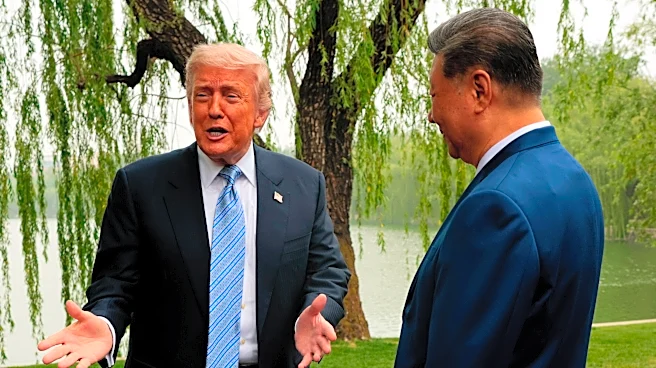
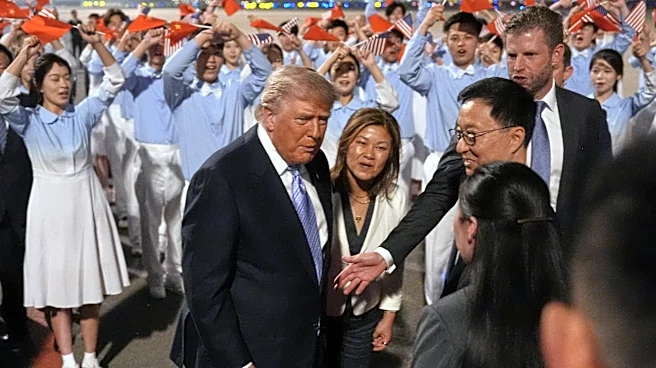
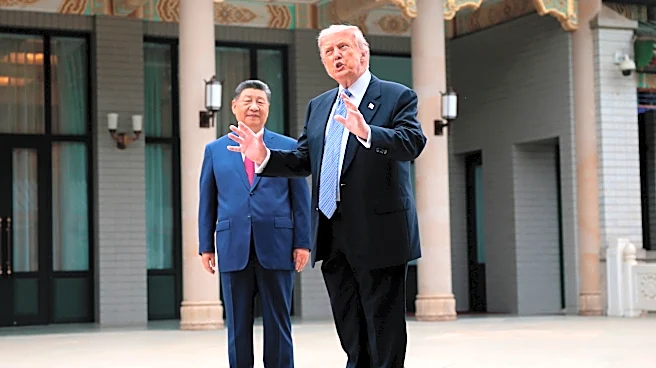
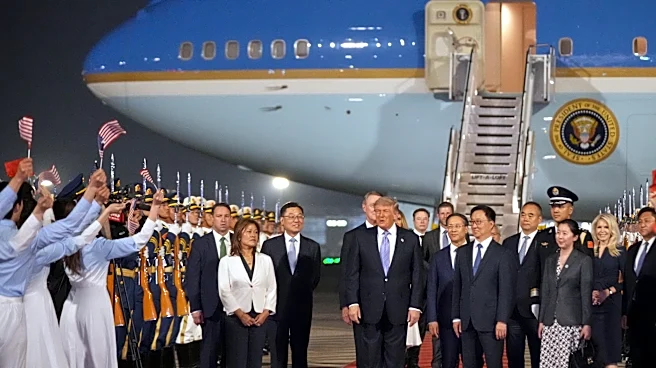
President Donald Trump concluded his visit to Beijing after meetings with Chinese President Xi Jinping, focusing on trade, technology, and security issues. The summit aimed to stabilize U.S.-China relations,
with both leaders claiming progress despite ongoing differences. Taiwan emerged as a critical point of contention, with Xi warning of potential conflicts if mishandled. Discussions also covered the Iran conflict, with Xi offering to mediate. Trump highlighted potential trade deals, including Boeing aircraft sales, but remained undecided on a major arms sale to Taiwan.
Why It's Important?
The summit's outcomes could reshape U.S.-China relations, impacting global trade and security dynamics. The potential trade agreements, particularly in aviation and energy, could boost the U.S. economy. However, unresolved issues like Taiwan and technology transfers pose risks of escalating tensions. China's involvement in the Iran conflict could alter regional power balances. The summit underscores the complex interdependence of the two superpowers, with implications for international diplomacy and economic policies.
What's Next?
Future developments may include formalizing trade agreements and monitoring China's actions regarding Taiwan and Iran. The U.S. administration will likely continue to navigate the delicate balance of maintaining strategic interests while fostering economic cooperation. The potential for a state visit by Xi to the U.S. could further solidify diplomatic ties. Observers will watch for any shifts in U.S. policy on Taiwan and the impact of China's involvement in the Iran conflict. The outcomes of these discussions could influence global markets and international relations.