




What's Happening?
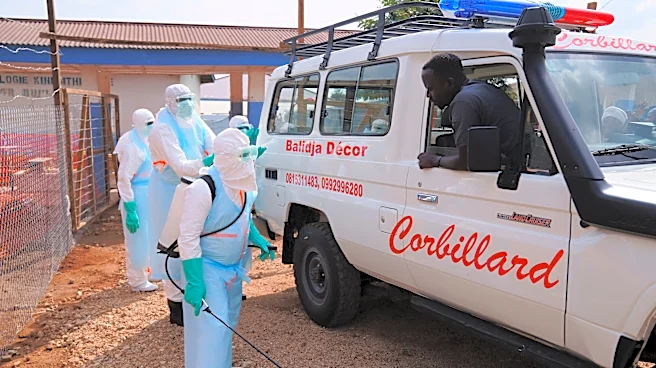
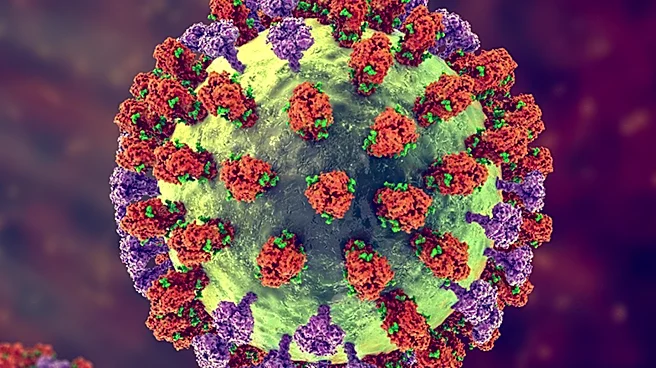
The Democratic Republic of Congo is experiencing its fastest-growing Ebola outbreak, with over 1,500 deaths reported. The outbreak, linked to the Bundibugyo virus, has been ongoing since May 15 and is primarily concentrated in the remote Ituri province.
The Africa Centers for Disease Control and Prevention (Africa CDC) reports that the outbreak is exacerbated by delays in contact tracing, community mistrust, and violence from armed groups. The situation is further complicated by traditional burial practices that involve handling infected bodies, increasing the risk of transmission. The outbreak has also spread to five other provinces, including Kisangani, one of the country's largest cities. Despite these challenges, neighboring Uganda has declared itself Ebola-free after discharging its last patient in June.
Why It's Important?
The outbreak's rapid escalation highlights significant gaps in global vaccination coverage and response capabilities. The lack of approved vaccines or treatments for the Bundibugyo strain underscores the need for accelerated research and development in infectious disease management. The outbreak poses a severe public health risk, with the potential to destabilize the region further. The situation also stresses the importance of international cooperation and support in managing such crises. The ongoing violence and community resistance to health interventions could hinder efforts to contain the virus, potentially leading to wider regional spread. The outbreak's impact on local healthcare systems and international aid efforts could have long-term implications for public health infrastructure in the region.
What's Next?
Efforts to stabilize the situation are ongoing, with local health officials urging international partners to return after recent attacks on health facilities. The Africa CDC has indicated that teams could redeploy soon to resume surveillance and contact tracing. However, the success of these efforts will depend on improving security conditions and rebuilding trust with local communities. The World Health Organization has stated that while the global risk of spread remains low, the risk within Congo is very high. Continued international support and effective communication strategies will be crucial in managing the outbreak and preventing further loss of life.
Beyond the Headlines
The outbreak raises ethical and cultural challenges, particularly regarding traditional burial practices that conflict with public health measures. The tension between respecting cultural traditions and implementing necessary health interventions highlights the need for culturally sensitive approaches in outbreak management. Additionally, the outbreak underscores the vulnerability of regions with limited healthcare infrastructure to infectious diseases. The situation calls for a reevaluation of global health priorities and resource allocation to better prepare for future outbreaks.