




What's Happening?
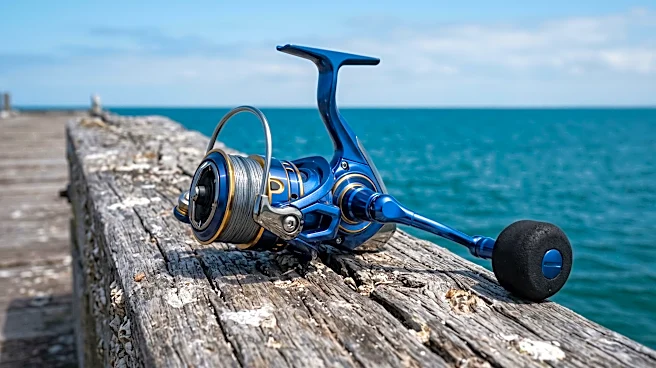
The 2024 Fisheries Economics of the United States report has underscored the significant economic contribution of marine recreational fishing across U.S. coastal communities. According to the report, this sector generated $146 billion in sales impacts,
supported 685,000 jobs, and contributed $78.9 billion in value-added impacts nationwide. Anglers in the Gulf of Mexico recorded the highest total trip expenditures at $5.5 billion, followed by those in the South Atlantic with $3.8 billion and the Mid-Atlantic with $2.2 billion. Concurrently, the 2025 Status of the Stocks report revealed a record high of 96 percent of U.S. fish stocks are not subject to overfishing. This includes the removal of Atlantic blue marlin, Gulf of America gag grouper, and Mid-Atlantic summer flounder from the overfishing list in 2025. NOAA continues its efforts to ensure the sustainability of U.S. fisheries for both recreational and commercial fishermen.
Why It's Important?
The robust economic figures from the recreational fishing industry highlight its critical role as an economic engine for numerous coastal communities across the United States. The substantial sales impacts and job creation demonstrate the industry's direct contribution to local economies, supporting livelihoods and businesses from bait shops to charter services. The impressive sustainability statistics, with 96 percent of U.S. fish stocks not overfished, are crucial for the long-term viability of this economic sector. This high level of sustainability ensures that the natural resources underpinning the industry are managed responsibly, preventing depletion and securing future opportunities for anglers and related businesses. It also reflects effective fisheries management policies and practices, which are vital for ecological balance and economic stability in coastal regions.
What's Next?
NOAA is actively working to enhance recreational fisheries data collection through the Recreational Angler Partnership Improvement Directive (RAPID), launched by Dr. Neil Jacobs and Laura Grimm. This initiative aims to create an ideal system for collaborative data collection by identifying strengths and challenges in current systems and fostering partnerships for solutions. Eight regional planning teams, comprising state, commission, council partners, and NOAA staff, have been activated to organize workshops tailored to regional fishery needs. These workshops will facilitate discussions and gather input from stakeholders. Additionally, national angler listening sessions are scheduled to provide a platform for direct comments, feedback, and questions about the RAPID process from anglers. These efforts, combined with Executive Order 14430, 'Restoring American Saltwater Angling and Recreation,' aim to modernize marine recreational fisheries data management and ensure sustainable practices.
Beyond the Headlines
The ongoing efforts to improve recreational fisheries data collection through initiatives like RAPID signify a broader commitment to evidence-based resource management. By fostering collaboration among various stakeholders—states, regional bodies, and federal agencies—the program aims to create a more comprehensive and accurate understanding of fish populations and angler behavior. This data-driven approach is essential for making informed decisions that balance economic interests with ecological preservation. The emphasis on sustainability, as evidenced by the high percentage of non-overfished stocks, reflects a long-term vision for marine ecosystems. This not only protects biodiversity but also ensures the continued availability of fishing opportunities, which are deeply intertwined with American cultural traditions and coastal lifestyles. The success of these initiatives could serve as a model for other resource management challenges, demonstrating the value of collaborative, data-informed governance.