








What's Happening?
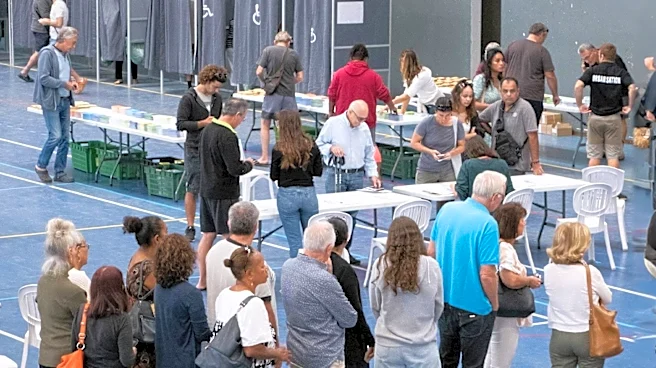
Voters in La Grande, Oregon, have rejected a proposed 5-cent-per-gallon gas tax in a recent election. City officials had advocated for the tax as a necessary measure to fund critical road repairs and maintenance. Approximately 70% of voters opposed the gas tax,
reflecting a broader trend in Oregon where similar transportation funding initiatives have faced public resistance. Earlier this year, Democratic Governor Tina Kotek's attempt to raise the state gas tax for bridge and road funding was also rebuffed by voters. This outcome leaves local governments, such as La Grande, to seek alternative solutions for their infrastructure needs. Mayor Justin Rock, who had voted against placing the gas tax on the ballot, expressed little surprise at the results, acknowledging the significant financial ask of residents. Public Works Director Kyle Carpenter voiced disappointment but indicated the city would prioritize the most damaged roads and continue to pursue grant opportunities.
Why It's Important?
The rejection of La Grande's gas tax highlights the ongoing challenges U.S. municipalities face in securing funding for essential infrastructure projects, particularly road maintenance. This local decision mirrors a statewide sentiment in Oregon against increased fuel taxes, indicating public reluctance to bear additional costs for transportation improvements. The outcome could lead to further deterioration of road conditions in La Grande, impacting daily commutes, vehicle maintenance costs for residents, and potentially hindering local commerce. It also places pressure on state leadership, including reelected Governor Kotek, to devise more equitable and publicly acceptable funding mechanisms for statewide transportation infrastructure. The shrinking tax revenues from traditional gas taxes, partly due to the rise of electric vehicles, complicate the financial landscape for road upkeep, forcing cities to explore innovative funding strategies or face continued infrastructure decline.
What's Next?
Following the gas tax defeat, La Grande city officials will prioritize repairing the most critical sections of their road network using existing, limited funds. Public Works Director Kyle Carpenter indicated a continued search for grant opportunities to supplement the city's budget for road repairs. The focus will also shift towards state-level solutions, with city officials looking to Governor Tina Kotek to consider new approaches for transportation funding that might be more palatable to voters and provide more resources to local governments. The challenge of assessing electric vehicles for road usage contributions remains a significant hurdle for future funding models. Without a dedicated local revenue stream, La Grande may face ongoing difficulties in addressing its infrastructure backlog, potentially leading to a slower pace of repairs and continued reliance on external funding sources.
Beyond the Headlines
The repeated rejection of gas tax increases in Oregon, both at the state and local levels, signals a deeper public skepticism regarding how transportation funds are managed and allocated. This trend could force a reevaluation of traditional infrastructure funding models across the U.S., especially as vehicle fleets transition towards electric power, diminishing the revenue base from fuel sales. The debate extends beyond mere taxation to questions of fairness, efficiency, and accountability in public spending. Municipalities may need to explore alternative revenue streams, such as vehicle miles traveled (VMT) fees or local bond measures, which could face their own political and logistical challenges. The long-term implication is a potential widening gap between infrastructure needs and available funding, leading to a decline in the quality of public services and increased economic costs associated with poor transportation networks.