








What's Happening?
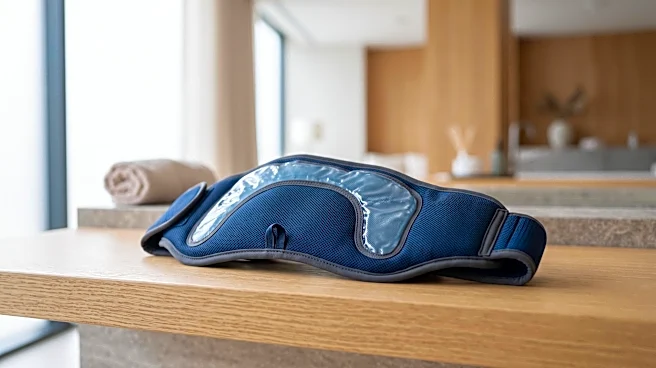
Cryotherapy, the controlled application of cold, is widely used in clinical settings to manage the body's response to injury or surgery. This treatment encompasses various methods, including ice therapy, gel-based cold compression, and continuous cooling
systems. The primary goal is to lower tissue temperature sufficiently to influence biological processes beneficially. Post-surgery, cryotherapy helps reduce swelling, pain, and inflammation by affecting blood flow, metabolism, and nerve signals. It triggers vasoconstriction, slowing blood and fluid leakage into tissues, thereby minimizing post-operative swelling. Additionally, cooled tissue exhibits a slower metabolic rate, reducing oxygen demand in cells around the wound and potentially limiting secondary injury. The pain relief from cryotherapy is attributed to its ability to slow nerve signal transmission and raise the pain threshold, which can lead to reduced reliance on pain medication. In orthopedic surgeries, cryotherapy is consistently associated with lower reported pain, decreased use of pain medication, and reduced swelling during early recovery.
Why It's Important?
The widespread adoption of cryotherapy in post-operative care signifies its importance in enhancing patient recovery and potentially reducing healthcare costs. By effectively managing pain and swelling, cryotherapy can contribute to shorter hospital stays and faster rehabilitation. The reduction in the need for opioid pain medication is particularly significant, addressing concerns about opioid dependency and its associated public health crises. For patients undergoing orthopedic procedures, cryotherapy offers a non-pharmacological approach to pain management, improving their overall recovery experience. The physiological benefits, such as controlling inflammation without completely suppressing it, ensure that the body's natural healing processes are supported rather than hindered. This makes cryotherapy a valuable tool in modern medical practice, optimizing patient outcomes and contributing to more efficient healthcare delivery.
What's Next?
Further advancements in cryotherapy technology are expected to focus on more precise temperature control and targeted application methods to maximize therapeutic benefits. Research will likely continue to explore its efficacy across a broader range of surgical procedures and chronic conditions, potentially expanding its clinical indications. The development of more sophisticated continuous cooling systems that maintain steady, safe temperatures for extended periods will further enhance its effectiveness. Additionally, studies may investigate the long-term benefits of cryotherapy on tissue healing and functional recovery, providing more comprehensive data to support its integration into standard care protocols. As healthcare systems increasingly prioritize non-pharmacological pain management, cryotherapy's role is likely to grow, leading to wider accessibility and improved patient education on its benefits.
Beyond the Headlines
Beyond its immediate clinical applications, the increasing use of cryotherapy highlights a broader shift in medical philosophy towards leveraging the body's natural healing mechanisms. This approach emphasizes minimizing invasive interventions and pharmaceutical reliance where possible. The success of cryotherapy in reducing opioid use post-surgery also has significant societal implications, contributing to efforts to combat the opioid epidemic. Ethically, providing effective pain management without the risks of addiction aligns with patient-centered care principles. Furthermore, the distinction between clinical cryotherapy and wellness-oriented whole-body cryo chambers underscores the importance of evidence-based practice in medicine, ensuring that treatments are applied appropriately for specific therapeutic goals. This differentiation helps maintain the credibility of medical cryotherapy as a scientifically supported intervention.