



What's Happening?
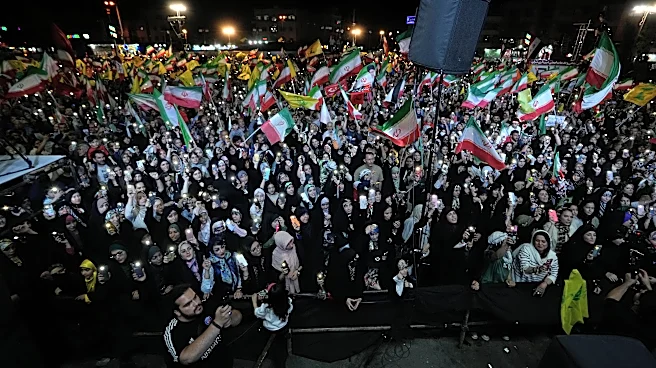
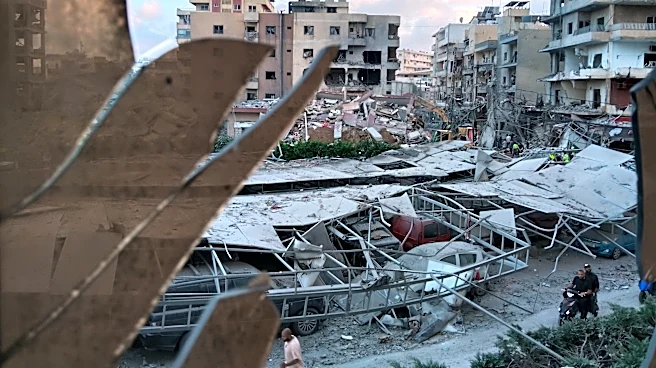
President Trump is currently facing significant criticism from both Democrats and Republicans as tensions with Iran escalate. Recent developments have seen Iran pulling out of negotiations and threatening to block the Strait of Hormuz in response to Israeli
attacks on Hezbollah in Lebanon. This has led to military strikes from the United States, Iran, and Israel. President Trump has expressed frustration over the criticism he is receiving, particularly from within his own party, as he attempts to navigate these complex international relations. Despite his claims of progress, the situation remains volatile, with no clear resolution in sight.
Why It's Important?
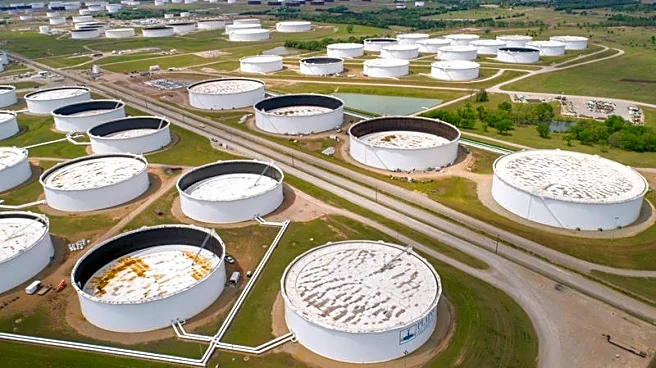
The situation is critical as it involves key geopolitical players and could have significant implications for global energy supplies, given the strategic importance of the Strait of Hormuz. The criticism from within the Republican Party highlights potential fractures in support for President Trump, which could impact his ability to govern effectively. Additionally, the ongoing conflict and lack of a clear diplomatic path forward could lead to further instability in the Middle East, affecting U.S. foreign policy and military strategy. The economic repercussions could also be substantial, with potential disruptions to oil markets and broader economic impacts.
What's Next?
The next steps are uncertain, as President Trump has indicated a willingness to use military force if necessary, but also faces pressure to find a diplomatic solution. The situation may lead to further congressional scrutiny and debate over the administration's handling of foreign policy. Additionally, the international community will be closely watching for any shifts in alliances or new diplomatic initiatives that could alter the current trajectory. The potential for increased military engagement remains a significant concern, with implications for U.S. military personnel and resources.