








What's Happening?
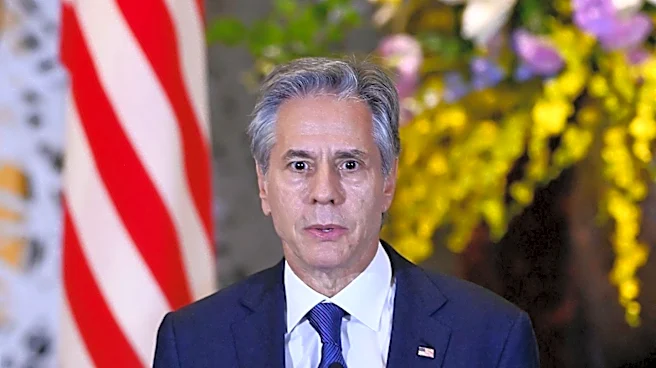
Republican Senator Lindsey Graham of South Carolina has died at the age of 71. His passing was confirmed by a statement on his official Twitter/X account, which noted that he succumbed to a brief and sudden illness. Emergency services responded to a cardiac
arrest call at his home, as reported by NBC News. Graham, a prominent figure in U.S. politics, was known for his strong support of Israel and his evolving relationship with President Trump, initially a critic before becoming a staunch ally. Graham's career in public service began in the U.S. House of Representatives in 1994, and he was elected to the Senate in 2002. He also served in the U.S. Air Force Reserves, retiring as a Colonel in 2015 after 33 years.
Why It's Important?
Senator Graham's death marks the loss of a significant Republican voice in the Senate, potentially impacting the political landscape. Known for his influence on foreign policy and defense, his absence may affect ongoing legislative priorities and the balance of power within the Senate. His close ties with President Trump and his role in key Senate committees underscore the potential shifts in political alliances and legislative focus. The vacancy left by his passing will necessitate a special election or appointment, influencing the political dynamics in South Carolina and potentially at the national level.
What's Next?
In the wake of Senator Graham's death, attention will turn to the process of filling his Senate seat. South Carolina's governor may appoint a temporary replacement until a special election can be held. This process will be closely watched as it could alter the balance of power in the Senate. Additionally, tributes and statements from political leaders are expected, reflecting on Graham's legacy and contributions. The Republican Party will likely strategize on maintaining their influence in the Senate, considering Graham's pivotal role in legislative matters.