
What's Happening?
Sleep apnea, a disorder characterized by interrupted breathing during sleep, affects a significant portion of the population, yet remains largely undiagnosed. According to Dr. Indira Gurubhagavatula, a sleep medicine
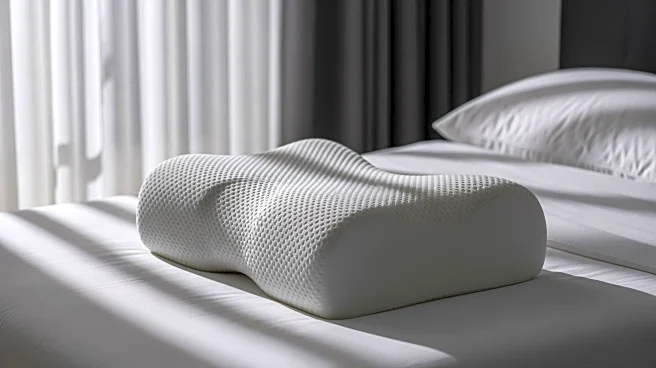
physician and spokesperson for the American Academy of Sleep Medicine, over 80% of cases are undiagnosed. Common symptoms include loud snoring, waking up gasping or choking, and frequent nighttime bathroom visits. The condition can lead to severe disruptions in sleep quality, impacting daily life. Chelsie Rohrscheib, a neuroscientist and head sleep expert at Wesper, notes that positional sleep apnea, where symptoms worsen when sleeping on the back, can be alleviated by sleeping on the side or using an elevated pillow. This approach may help improve respiration for those with mild sleep apnea.
Why It's Important?
The widespread underdiagnosis of sleep apnea highlights a significant public health issue, as untreated sleep apnea can lead to serious health consequences, including cardiovascular problems and impaired daytime functioning. The potential for specialized pillows to alleviate symptoms offers a non-invasive treatment option that could improve the quality of life for many sufferers. By addressing positional sleep apnea with simple adjustments, individuals may experience better sleep quality and reduced health risks. This development underscores the importance of awareness and early diagnosis, encouraging those with symptoms to seek professional evaluation and treatment.
What's Next?
Individuals suspecting they have sleep apnea are advised to consult with healthcare professionals or specialists from accredited sleep centers. A sleep study, often conducted at home, can confirm the diagnosis and guide treatment options. For those with positional sleep apnea, exploring the use of specialized pillows or positional therapy may be recommended. Continued research and awareness efforts are crucial to improving diagnosis rates and expanding treatment options, potentially reducing the burden of sleep apnea on public health.