








What's Happening?
Environmental remediation efforts, particularly the cleanup of abandoned mine drainage (AMD) in U.S. waterways, have been found to significantly improve local economic outcomes. Research indicates that communities with remediated waterways experience
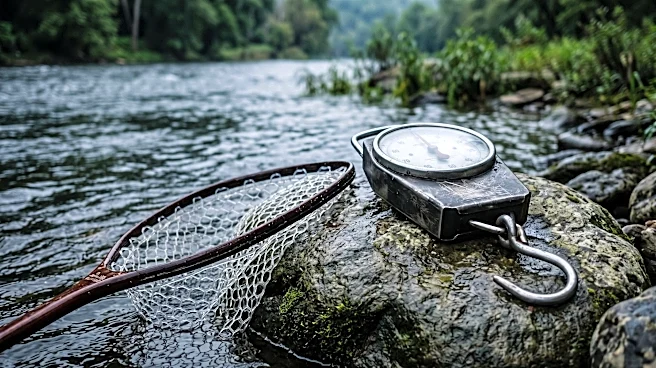
increased population growth, especially among college-educated individuals and those aged 65 and older. This growth is attributed to the enhanced environmental quality and amenities, making these areas more desirable for living and recreation. The study, which combined qualitative interviews and quantitative data analysis across Pennsylvania, revealed that AMD acts as a 'signal of neglect,' deterring investment and population growth. Conversely, remediation transforms these areas, fostering a more optimistic community identity and attracting tourism and outdoor recreation businesses, such as kayak rentals and fishing shops. The cost-effectiveness of environmental remediation as an economic development strategy is highlighted, with remediation costing approximately $240 per resident compared to $1,500 per resident for traditional place-based economic development programs with similar population effects.
Why It's Important?
The findings underscore the dual benefits of environmental remediation: ecological restoration and economic revitalization. For U.S. industries, particularly those in tourism and outdoor recreation, cleaner waterways translate into new business opportunities and increased revenue. For public policy, this research suggests that environmental cleanup should be considered a viable and cost-effective economic development tool, especially in rural areas that have suffered from industrial decline and demographic shifts. The ability of remediation to attract and retain residents, particularly retirees and college-educated individuals, can help stabilize local tax bases and support community services. The study also highlights the importance of community engagement, with watershed associations playing a crucial role in the success of these projects. Investing in environmental remediation can lead to a 'rising tide that lifts all boats,' improving property values and generating profits from short-term rentals, thereby contributing to the overall economic health and sustainability of distressed communities.
What's Next?
Policymakers are encouraged to view environmental remediation as a primary economic development strategy, particularly in areas impacted by industrial decline. The Infrastructure Investment and Jobs Act's allocation of $11 billion for abandoned mine problems over 15 years is a significant step, but the focus now shifts to the efficient and effective expenditure of these funds. States should continue to leverage watershed associations for remediation projects, while simultaneously working to reduce bureaucratic hurdles that impede these grassroots efforts. Streamlining grant application processes and providing technical support can accelerate project implementation. Furthermore, there is a critical need for capacity building, including investing in environmental leadership programs in high schools and colleges to cultivate a new generation of watershed managers. This proactive approach will ensure the long-term sustainability of remediation efforts and foster community resilience. The success of these initiatives could also inform future policy decisions regarding other types of environmental cleanups, such as orphaned oil and gas wells, by demonstrating the broader economic and social returns on investment.
Beyond the Headlines
The research delves into the less obvious psychological and social impacts of environmental degradation and restoration. The concept of 'signal of neglect' reveals how visible pollution can erode community pride and encourage further neglect, creating a vicious cycle. Conversely, remediation not only cleans the environment but also revitalizes community identity and fosters a sense of care and stewardship. This suggests that environmental quality is deeply intertwined with social capital and community well-being. The study also highlights the nuanced differences between various types of environmental remediation; while orphaned oil and gas wells have localized impacts, polluted waterways affect entire communities and regions, serving as public amenities. This broader impact necessitates a more holistic approach to environmental policy that considers the social and economic fabric of affected areas. The findings challenge traditional notions of economic development by demonstrating that ecological health can be a powerful driver of prosperity, offering a compelling argument for integrating environmental protection into broader economic planning.