






What's Happening?
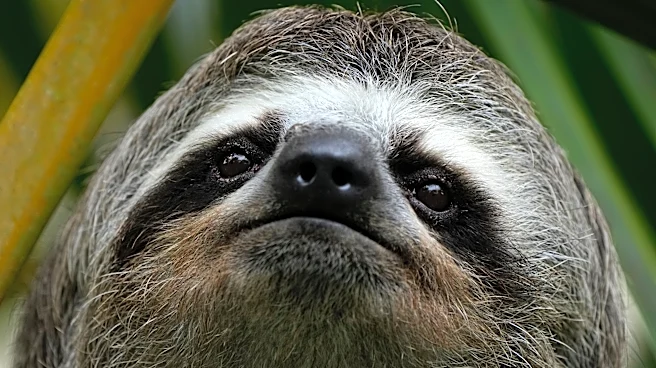
Thirteen sloths have been rescued from Sloth World, an Orlando-based animal attraction, and are now recovering at the Central Florida Zoo & Botanical Gardens. The sloths were found in poor health, suffering from dehydration and malnutrition, after being
kept in inadequate conditions at Sloth World. The attraction, which had advertised itself as the 'world’s first Slotharium,' was closed following an investigation that revealed the deaths of numerous sloths imported from Peru and Guyana. The Florida Fish and Wildlife Conservation Commission reported that 31 sloths died between December 2024 and February 2025 due to improper care, including being kept in a warehouse without water and electricity. The zoo is currently providing critical care to the surviving sloths, with one named Bandit still in intensive care. The zoo plans to quarantine the animals for at least 30 days and is coordinating with other facilities for their long-term placement.
Why It's Important?
The rescue of these sloths highlights significant issues in the exotic animal trade and the responsibilities of animal attractions in the U.S. The closure of Sloth World underscores the consequences of failing to meet animal welfare standards, which can lead to severe repercussions for both the animals and the businesses involved. This incident raises awareness about the ethical treatment of exotic animals and the need for stringent regulations to prevent similar occurrences. The situation also emphasizes the role of zoos and conservation organizations in providing sanctuary and rehabilitation for animals affected by neglect. The broader impact includes potential changes in public policy regarding the importation and care of exotic animals, as well as increased scrutiny on attractions that house such animals.
What's Next?
The Central Florida Zoo is working with other facilities across the United States to find permanent homes for the rescued sloths. This collaboration may lead to improved standards and practices for the care of exotic animals in captivity. Additionally, the incident may prompt regulatory bodies to review and tighten regulations surrounding the importation and care of exotic animals to prevent future neglect. Public awareness campaigns and educational initiatives could also emerge, focusing on the ethical treatment of wildlife and the responsibilities of animal attractions. The outcome of this situation may influence future legislation and enforcement actions aimed at protecting exotic animals in the U.S.