





What's Happening?
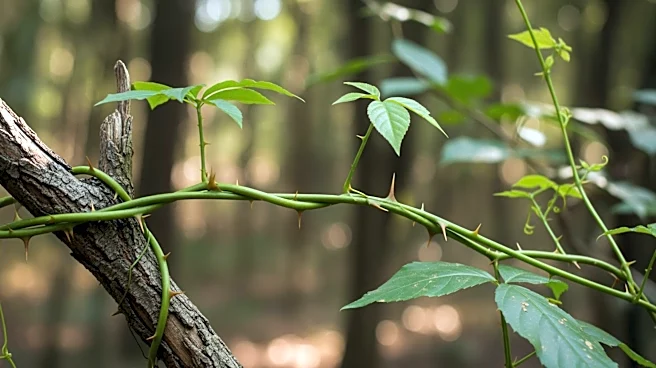
The United States is facing a significant ecological challenge due to the proliferation of invasive plant species, particularly in the Northeast. These non-native plants, such as Asiatic bittersweet, Porcelainberry, and Japanese knotweed, are spreading
rapidly and causing substantial harm to native habitats. Invasive species often fail to support local ecosystems as native plants do, lacking the ability to retain water, anchor soil, or filter groundwater effectively. This ecological imbalance is further exacerbated by plants like the Callery pear and Japanese barberry, which provide environments conducive to pests like the white-footed mouse, a carrier of tick-borne illnesses. The issue has reached a point where it is being recognized as an environmental catastrophe, prompting discussions among state legislators and environmental advocates about the need for increased awareness and action.
Why It's Important?
The spread of invasive plant species poses a serious threat to U.S. ecosystems, impacting biodiversity and the health of native wildlife populations. These plants can alter soil composition, water retention, and the overall ecological balance, leading to long-term environmental degradation. The economic implications are also significant, as invasive species can affect agriculture, property values, and public health. For instance, Japanese knotweed's ability to damage infrastructure could lead to increased costs for property owners and municipalities. Addressing this issue is crucial for preserving the ecological integrity of American landscapes and ensuring the sustainability of local wildlife and natural resources.
What's Next?
Efforts to combat the spread of invasive plant species are likely to intensify, with increased focus on public education and legislative action. Environmental groups and policymakers may push for more stringent regulations on the sale and distribution of invasive plants, as well as initiatives to restore native habitats. Community involvement will be essential, with citizens encouraged to identify and report invasive species in their areas. Collaborative efforts between government agencies, environmental organizations, and the public could lead to the development of comprehensive strategies to manage and mitigate the impact of these plants.
Beyond the Headlines
The issue of invasive plant species highlights broader environmental challenges, such as the need for sustainable land management practices and increased biodiversity conservation efforts. It also underscores the importance of ecological literacy among the public, as understanding the role of native species is crucial for effective environmental stewardship. This situation may prompt a cultural shift towards greater appreciation and protection of native flora and fauna, fostering a more informed and engaged citizenry in environmental matters.