







What's Happening?
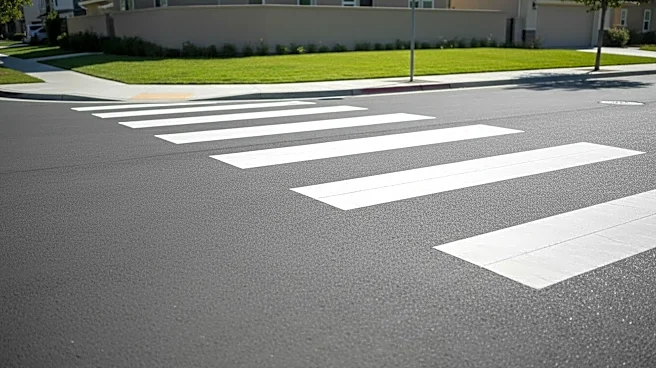
Authorities in Southern California have begun actively enforcing the 'Daylighting to Save Lives' law, a traffic safety measure that restricts parking near crosswalks. This law, officially known as Assembly Bill 413, prohibits parking within 20 feet of the approach
side of a crosswalk, or 15 feet if a curb extension is present. The law aims to improve visibility at intersections by preventing parked vehicles from obstructing the view for drivers, pedestrians, and cyclists. Although the law took effect in January 2025, enforcement was initially delayed to allow for public education. However, the grace period has ended, and parking enforcement agencies are now issuing citations to violators. The Los Angeles County Sheriff's Department emphasizes that the law applies even if there are no signs or curb markings indicating the restriction.
Why It's Important?
The enforcement of this law is significant as it addresses a critical safety issue at intersections, where nearly 36 percent of pedestrian fatalities occur. By ensuring clear sightlines, the law aims to reduce the risk of collisions between vehicles and pedestrians. This move is part of California's broader strategy to enhance pedestrian safety and decrease traffic-related deaths. For drivers, the financial implications are immediate, with fines of $63 for violations in Los Angeles County. The law's enforcement underscores the importance of adhering to traffic regulations designed to protect vulnerable road users. It also highlights the shift from public education to strict enforcement, signaling to motorists the necessity of compliance to avoid penalties.
What's Next?
As enforcement intensifies, drivers in California will need to adjust their parking habits, particularly near intersections. Local agencies are expected to continue monitoring compliance and issuing citations to ensure adherence to the law. This could lead to increased awareness and potentially a reduction in pedestrian accidents at intersections. Motorists are advised to familiarize themselves with the law's requirements and adjust their parking practices accordingly. The ongoing enforcement may also prompt discussions on further measures to enhance road safety and pedestrian protection across the state.