






What's Happening?
The North Carolina Utilities Commission has issued a Carbon Plan that largely approves Duke Energy's proposal, which includes building several new methane gas plants. This decision comes in response to a bipartisan state law requiring Duke Energy to achieve
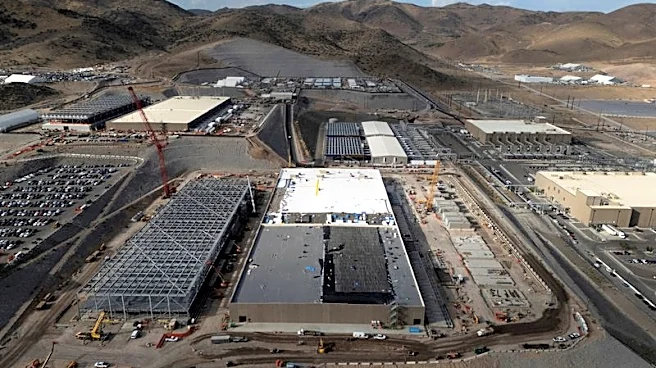
net-zero carbon pollution by 2050. Critics, including the Southern Environmental Law Center, Southern Alliance for Clean Energy, Sierra Club, and Vote Solar, argue that the plan risks increasing energy bills for North Carolinians and underinvests in clean energy resources. They contend that the plan relies too heavily on speculative load growth projections, such as those from data centers tied to an uncertain AI future, and delays the retirement of aging coal infrastructure. Advocates had pushed for greater utilization of energy efficiency, load flexibility, renewables, and storage, which they identify as more affordable and faster options for meeting energy demand and reducing pollution.
Why It's Important?
This decision has significant implications for North Carolina's energy future, potentially locking the state into long-term reliance on fossil fuels and increasing costs for consumers. By prioritizing new gas plants over a more diverse portfolio of clean energy, the plan may hinder the state's ability to meet its legally mandated net-zero emissions goal by 2050. The approval of Duke Energy's proposal could lead to higher energy bills due to escalating fuel costs and missed opportunities for billions of dollars in federal tax credits and other cost savings associated with renewable energy. Environmental groups warn that this approach delays the deployment of affordable, clean, and reliable resources, impacting public health and environmental quality across communities already facing rate increases. The outcome also highlights a broader tension between utility profit motives and public interest in sustainable, affordable energy.
What's Next?
The approved Carbon Plan sets the course for Duke Energy's infrastructure development in North Carolina for the foreseeable future, potentially leading to the construction of new gas plants. Clean energy advocates are likely to continue scrutinizing Duke Energy's actions and the Utilities Commission's oversight, pushing for greater accountability and adherence to the state's carbon reduction goals. Future proceedings and regulatory reviews will be critical in determining whether the state can course-correct towards a more balanced and sustainable energy portfolio. The effectiveness of the plan in meeting the 2050 net-zero target will be closely watched, especially as the costs of fossil fuels fluctuate and renewable energy technologies continue to advance and become more cost-effective. The debate over energy policy in North Carolina is expected to persist, with ongoing calls for increased investment in renewables and energy efficiency.
Beyond the Headlines
The North Carolina Utilities Commission's decision reflects a broader national challenge in transitioning from fossil fuels to renewable energy sources, often involving powerful utility companies and complex regulatory frameworks. This case underscores the influence of utility load growth projections, which can significantly shape energy policy and infrastructure investments, sometimes based on uncertain future demands like those from AI data centers. The reliance on such projections raises questions about risk allocation, where consumers may bear the financial burden of overbuilt or underutilized infrastructure. Furthermore, the decision highlights the ongoing struggle between economic development priorities and environmental sustainability goals, particularly in states with significant industrial and energy demands. The outcome in North Carolina could serve as a precedent or a cautionary tale for other states grappling with similar energy transition challenges and the implementation of their own carbon reduction mandates.