



What's Happening?
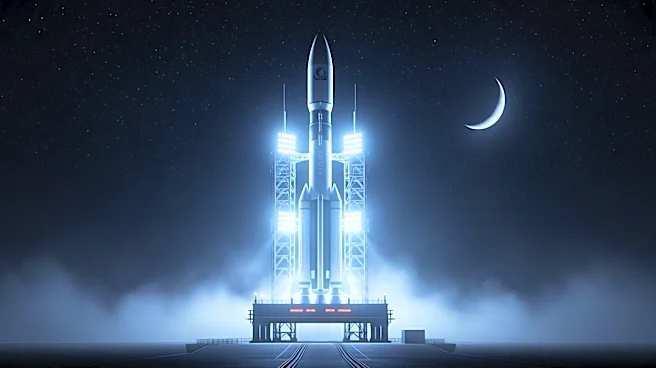
NASA has successfully launched the Artemis II mission, marking a significant milestone in space exploration. The mission involves a 10-day journey around the Moon, with the crew set to travel further from Earth than any human has before. This mission follows
the unmanned Artemis I mission in 2022 and is part of NASA's broader Artemis program, which aims to prepare for deep-space missions, including a potential manned mission to Mars in the 2030s. The Artemis II crew will not land on the Moon but will circle it, gathering data and testing systems for future missions.
Why It's Important?
The Artemis II mission is crucial for advancing human space exploration. By traveling further from Earth than ever before, the mission will test the limits of current space travel technology and provide valuable data for future missions. This mission is a stepping stone towards NASA's goal of sending humans to Mars, which could have significant implications for scientific research and international collaboration in space exploration. The success of Artemis II could also inspire technological advancements and innovations in other fields, as space exploration often drives progress in engineering and science.
What's Next?
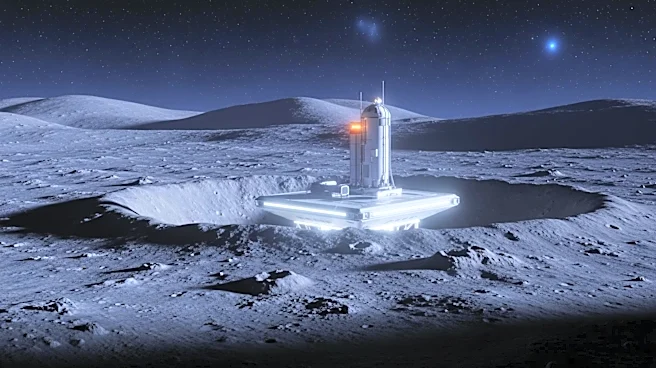
Following the Artemis II mission, NASA plans to continue its Artemis program with subsequent missions that will aim to land humans on the Moon once again. These missions will focus on establishing a sustainable human presence on the Moon, which is seen as a critical step towards future Mars missions. The data and experience gained from Artemis II will inform the planning and execution of these future missions, helping to ensure their success and safety.