


What's Happening?
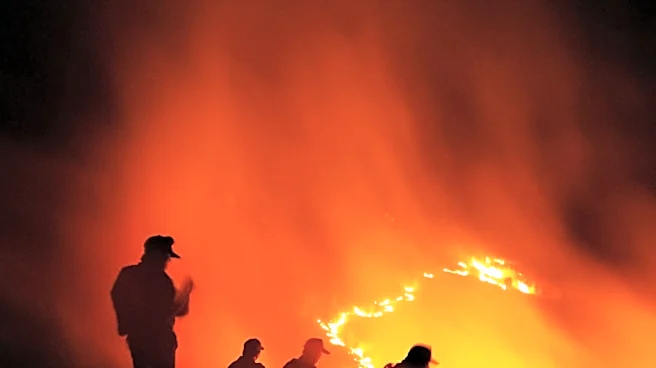
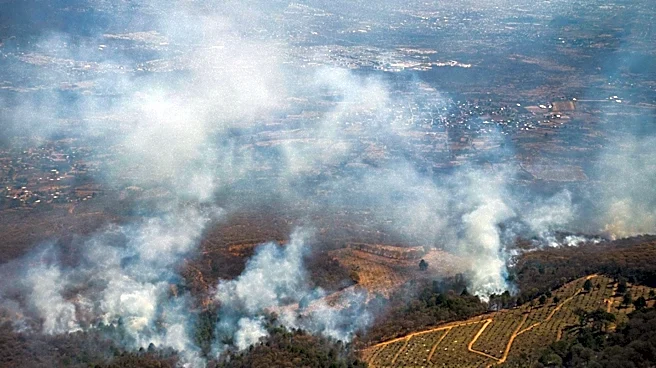
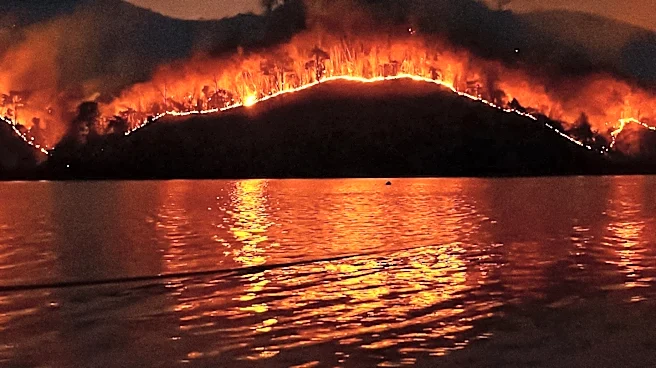
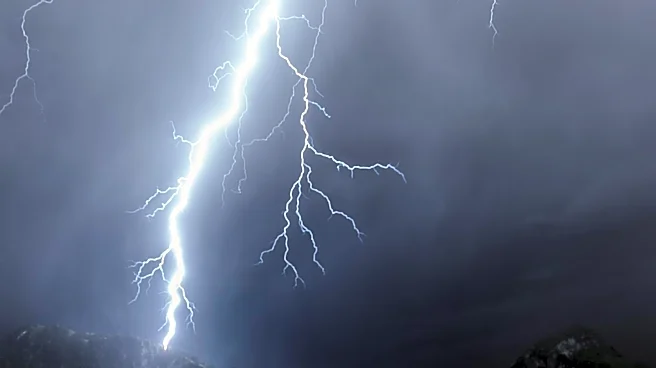
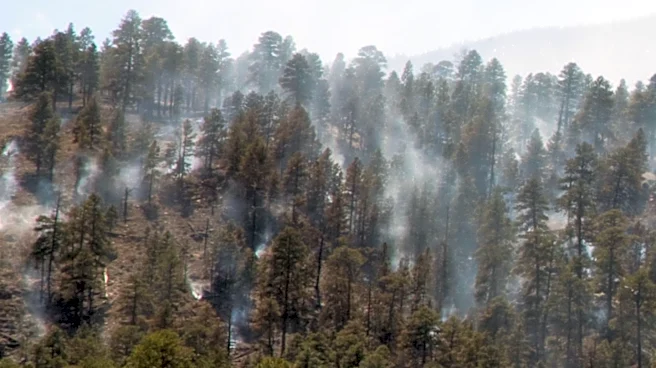
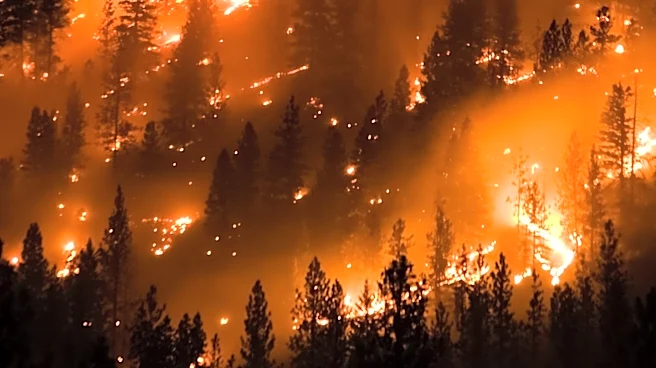
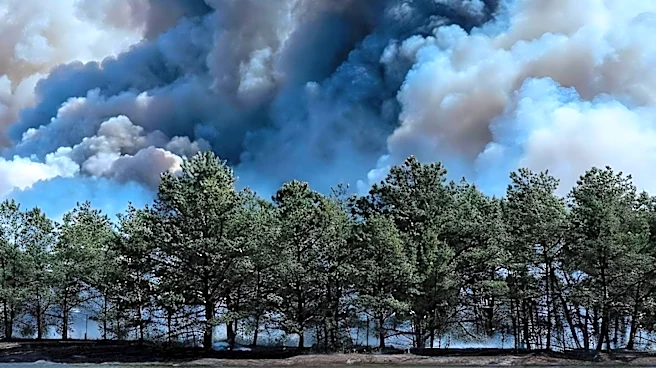
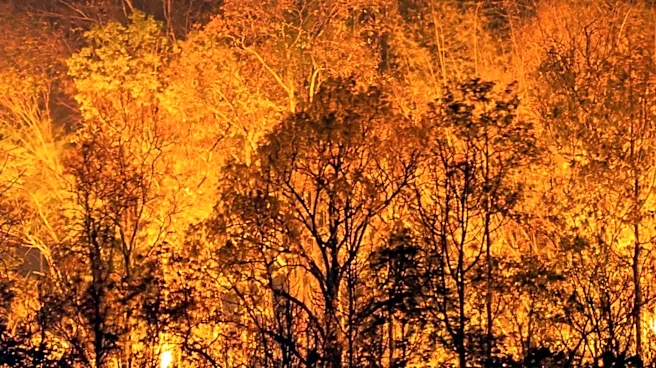
Several new wildfires have erupted in the Pacific Northwest over the past 24 hours, driven by hot and breezy conditions. These fires, sparked by a fast-moving lightning storm on July 22nd, have quickly grown in size. The Little Giant Fire in the North Cascades,
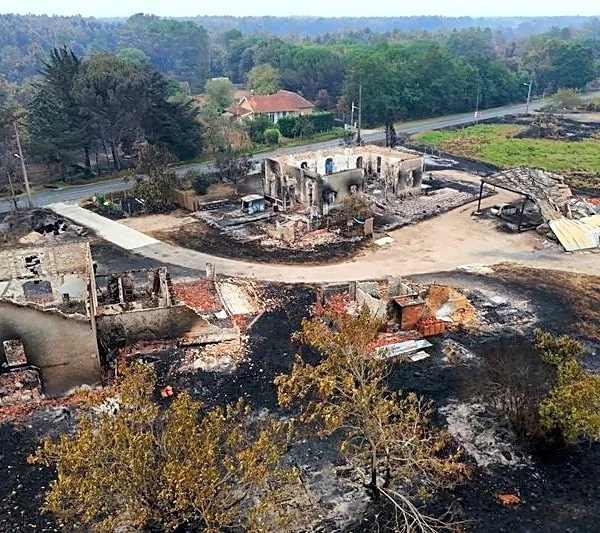
which started nearly 10 days ago, has now burned over 10,000 acres. The Akawa Butte Fire is among the most disruptive, affecting populated areas. Firefighting teams are actively managing these fires, with efforts focused on containment and protecting communities. The situation is being closely monitored, with satellite heat detections providing real-time data on fire spread.
Why It's Important?
The rapid emergence of new wildfires in the Pacific Northwest highlights the region's vulnerability to fire outbreaks, particularly during dry and windy conditions. These fires pose significant threats to communities, wildlife, and natural resources, necessitating swift and coordinated response efforts. The impact on air quality and public health is also a concern, as smoke from wildfires can travel long distances. The situation underscores the need for effective fire management strategies and preparedness measures to protect lives and property. Additionally, the fires raise questions about land management practices and the role of climate change in increasing fire frequency and intensity.