






What's Happening?
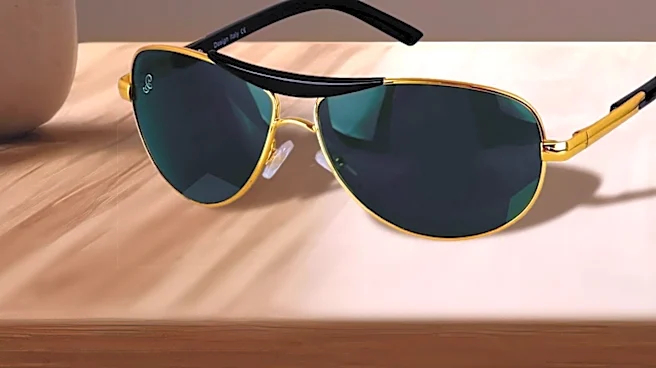
Representative Max Miller (R-Ohio) has denied allegations that he used Meta Glasses to secretly record during a July court hearing related to his child custody dispute with his ex-wife, Emily Moreno. Moreno's attorneys raised concerns after Miller was
seen wearing the smart glasses, which have recording capabilities, before the hearing. They noted that Miller had not worn eyewear to previous hearings and cited his history of making surreptitious recordings, including publicly releasing recordings of his ex-wife. Miller's legal team, however, submitted a sworn statement from the congressman asserting he was not recording during the hearing. They accused Moreno's lawyers of attempting to generate negative publicity and harass Miller through the discovery process. The ongoing custody battle has also brought to light abuse accusations from Moreno against Miller and concerns regarding their daughter's broken collarbone, all of which Miller emphatically denies.
Why It's Important?
This incident highlights the evolving legal and ethical challenges posed by new technologies, such as smart glasses, in sensitive environments like courtrooms. The debate over whether Congressman Miller used the Meta Glasses to record raises questions about privacy, consent, and the rules of evidence in legal proceedings. It underscores the need for clear guidelines and regulations regarding the use of recording devices in judicial settings, especially when one party has a history of making recordings without explicit consent. The accusations and denials also contribute to the public scrutiny surrounding Congressman Miller, potentially impacting his political standing and public image. The broader implications extend to how personal technology intersects with legal processes and the potential for such devices to be used in ways that could compromise the integrity of court proceedings or infringe upon individual privacy rights.
What's Next?
The immediate next steps will likely involve the court's decision on Moreno's attorneys' demand to inspect Miller's Meta Glasses. The judge overseeing the case may need to establish clear rules regarding the use of such devices in future hearings. The ongoing child custody battle will continue, with both parties presenting their cases and addressing the various accusations, including those related to abuse and the daughter's injury. The legal proceedings could also explore the implications of Miller's past recordings and his claim that he does not control his social media accounts. This situation may prompt broader discussions among legal professionals and lawmakers about updating court policies to address the use of smart devices and ensure fair and transparent judicial processes in the digital age.
Beyond the Headlines
Beyond the immediate legal dispute, this case touches upon the broader societal implications of pervasive recording technology. The ability of smart glasses to discreetly capture audio and video blurs the lines between public and private spaces, raising significant privacy concerns. The incident also highlights the challenges of maintaining decorum and trust in legal settings when advanced technology can be used to gather information in potentially unauthorized ways. Furthermore, the political dimension of a congressman being involved in such a dispute, with accusations of abuse and attempts to manipulate public perception, underscores the intersection of personal conduct, public office, and media scrutiny. This scenario could contribute to a larger conversation about the ethical responsibilities of public figures in their personal lives and the impact of their actions on public trust.