





What's Happening?
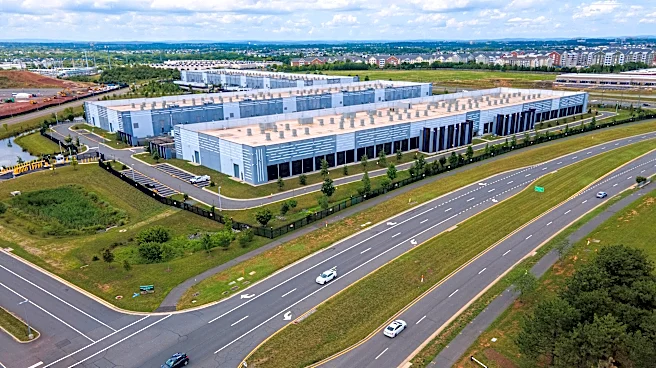
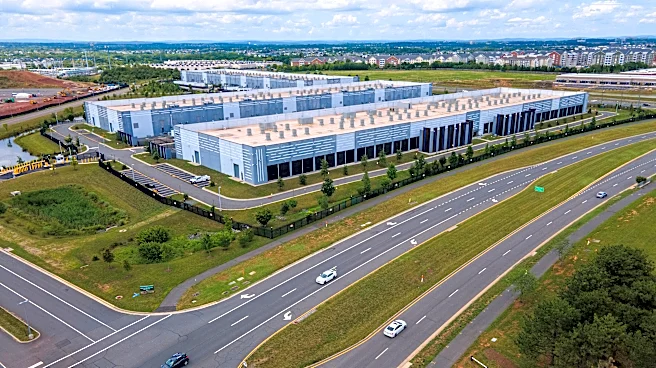
Advanced waste sorting technologies, leveraging Artificial Intelligence (AI) and robotics, are transforming waste management practices in the United States. Companies like AMP are building and operating waste sorting facilities, such as one in Portsmouth,
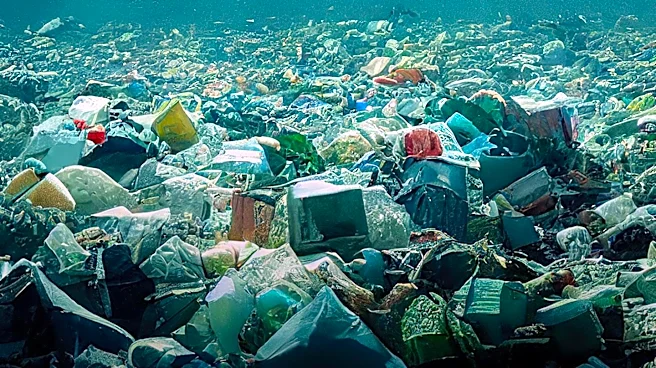
Virginia, to process mixed waste streams. This technological shift aims to move away from traditional landfilling and inefficient source-based recycling, which has largely failed due to unrealistic assumptions about human behavior. Instead, AI and robotics are being employed to efficiently sort waste, extracting valuable inorganic and organic materials that can be recycled and sold, thereby converting waste from an expense into a potential revenue stream. This approach is gaining traction with approximately ten competing companies and twenty startups innovating in this sector, with some technologies already in widespread use. Organic waste, for instance, is being repurposed into fertilizer and natural gas, while other sorted materials are finding new life as construction materials.
Why It's Important?
This technological advancement in waste management holds significant importance for U.S. cities and the national economy. The growing costs associated with waste management, particularly the transportation and dumping of waste in increasingly expensive landfills, pose a substantial financial burden on municipalities. New York City, for example, spends about half a billion dollars annually to export its garbage. By adopting AI and robotics for waste sorting, cities can significantly reduce these costs, divert waste from landfills, and mitigate environmental pollution of air and groundwater. Furthermore, this approach fosters a circular economy by recovering valuable resources that would otherwise be lost. The decreasing cost of renewable energy and battery technologies, coupled with the rising expense of mining finite resources, makes waste processing and mining increasingly economically viable. This shift not only creates new revenue streams but also reduces reliance on virgin materials, contributing to environmental sustainability and resource security.
What's Next?
The future of waste management in the U.S. is likely to see a continued expansion of AI and robotics-driven sorting facilities. The challenge lies in overcoming political hurdles and the 'not in my backyard' (NIMBY) syndrome often associated with new waste facilities. A strategic approach involves locating these advanced sorting plants at existing waste transfer stations, where waste is already being brought, thus addressing initial community resistance. For densely populated areas like New York City, innovative solutions such as building facilities on new islands in waterways could be explored. Further research will determine the optimal scale for these facilities, balancing the economies of scale offered by large plants with the manageability of smaller, decentralized units. The ongoing development of these technologies promises to enhance efficiency, reduce environmental impact, and create a more sustainable waste management infrastructure across the nation.
Beyond the Headlines
Beyond the immediate economic and environmental benefits, the widespread adoption of AI and robotics in waste management signifies a fundamental shift in how society views and interacts with waste. It moves beyond the moralistic view of pollution as an ethical problem caused by 'bad people' and instead embraces technological innovation as the primary driver for environmental progress. This approach acknowledges that while behavioral changes like source sorting have largely failed, technological solutions can effectively address the problem without relying on unrealistic assumptions about human behavior. This paradigm shift could lead to a re-evaluation of environmental policy, emphasizing technological investment and infrastructure development over purely regulatory or behavioral mandates. It also highlights the potential for waste to be seen not as a problem to be disposed of, but as a valuable resource to be mined, fostering a more resource-efficient and circular economy.