





What's Happening?
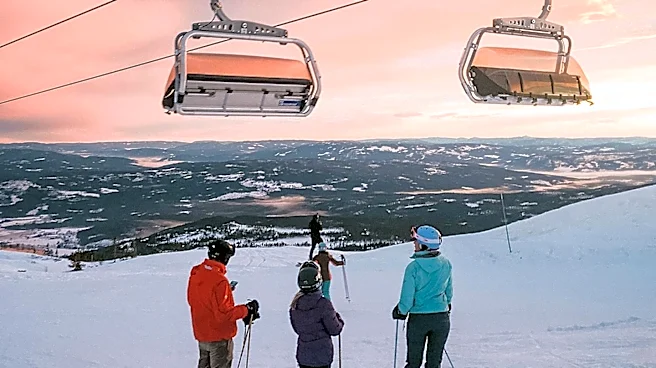
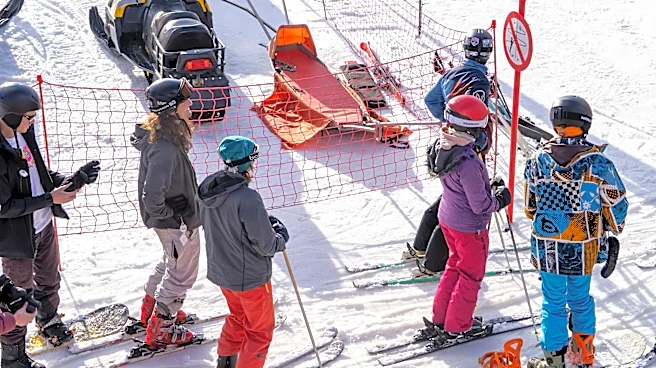
The Afriski Mountain Resort in Lesotho has become a popular destination for ski enthusiasts from across southern Africa. Located in the Maluti Mountains, the resort is the only fully operational ski resort in sub-Saharan Africa. It sits at an elevation
of 3,200 meters and offers skiing over 17 hectares of snow-covered terrain. The resort, which opened 25 years ago, attracts thousands of visitors each winter, contributing significantly to Lesotho's tourism industry. Despite being one of the poorest countries in the world, Lesotho benefits economically from the influx of tourists, with Afriski contributing to about 7% of the country's GDP. The resort employs 227 people, mostly locals, and relies on artificial snow to ensure skiing is possible throughout the winter.
Why It's Important?
The popularity of Afriski Mountain Resort highlights the growing interest in winter sports in regions not traditionally associated with such activities. This development is significant for Lesotho's economy, providing jobs and boosting tourism revenue. The resort's success also challenges stereotypes about Africa's climate, showcasing the continent's diverse environments. For the local community, the resort offers employment opportunities and promotes cultural exchange as visitors experience Lesotho's unique traditions and products, such as the Basotho blanket. The resort's reliance on artificial snow also underscores the impact of climate variability on tourism and the need for adaptive strategies in the industry.
What's Next?
As Afriski continues to attract visitors, there may be further developments in infrastructure and services to accommodate the growing number of tourists. The resort's success could inspire similar ventures in other parts of Africa, potentially expanding the continent's tourism offerings. Additionally, the focus on artificial snow production may lead to innovations in sustainable tourism practices, balancing economic benefits with environmental considerations. The local government and businesses might explore partnerships to enhance the region's appeal, ensuring that the economic benefits of tourism are maximized while preserving the cultural and natural heritage of Lesotho.
Beyond the Headlines
The rise of ski tourism in Lesotho could have broader implications for the country's international image, positioning it as a unique travel destination. This shift may attract more international attention and investment, fostering economic growth and development. The cultural exchange facilitated by tourism can also promote understanding and appreciation of Lesotho's heritage, potentially leading to increased global interest in African cultures. Furthermore, the resort's success may encourage other African nations to explore niche tourism markets, diversifying their economies and reducing reliance on traditional sectors.