


What's Happening?
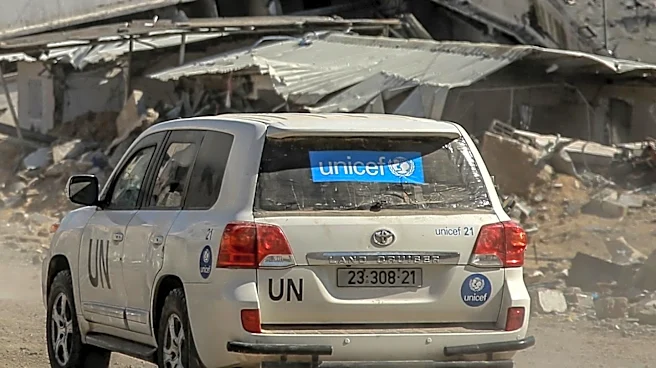
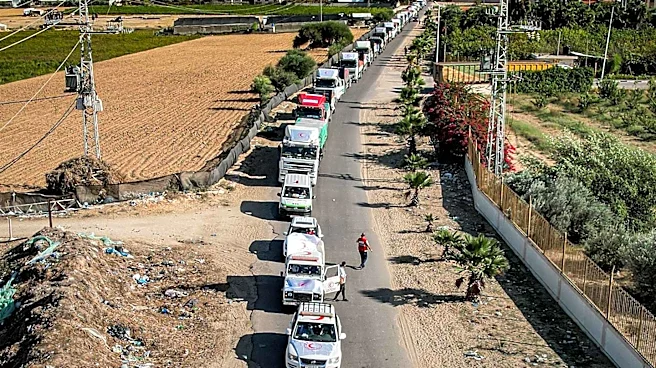
The United Nations Office for the Coordination of Humanitarian Affairs (OCHA) has reported severe funding shortfalls are forcing significant cuts in humanitarian assistance to Somalia. This reduction in aid comes as the country grapples with widespread
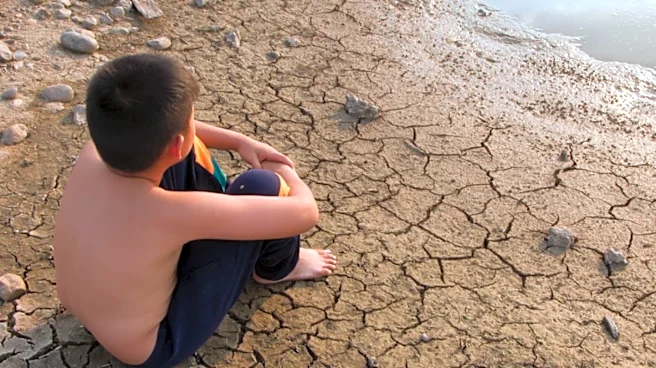
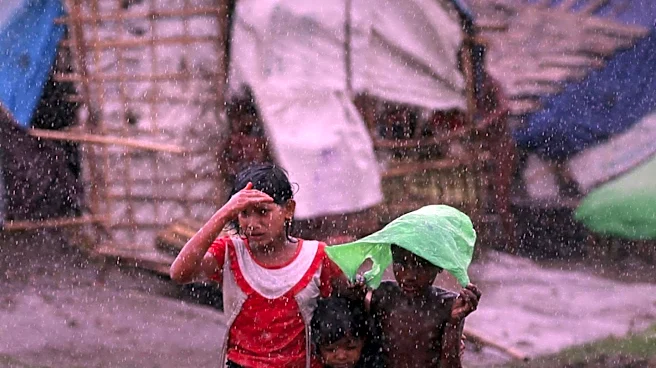
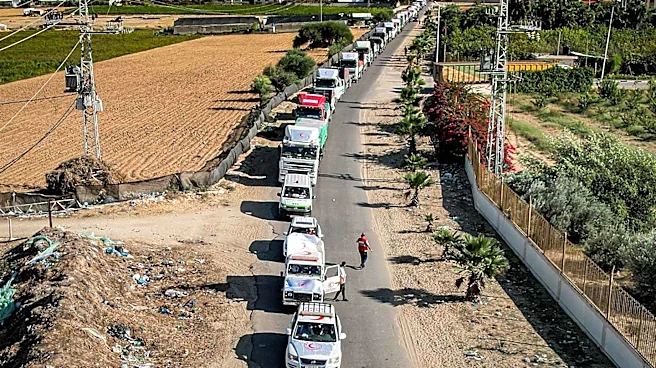
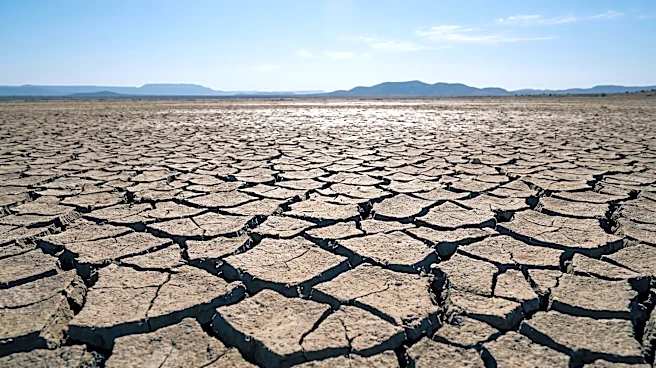
displacement driven by drought, flooding, and escalating violence. The number of people receiving food assistance has drastically fallen from 1.1 million in January to approximately 600,000 in June, primarily due to underfunding. Additionally, 233 nutrition sites and 380 health facilities have either closed or reduced services this year, exacerbating the humanitarian crisis. The International Committee of the Red Cross (ICRC) highlights that the Bay and Bakool regions are among the hardest-hit areas for food insecurity, with armed conflict further worsening conditions for communities already struggling with drought. Projected El Niño-related flooding is expected to displace hundreds of thousands more people by December, adding to the over 3.3 million already displaced across the country.
Why It's Important?
The reduction in humanitarian aid to Somalia has critical implications for a population already vulnerable to climate shocks and conflict. The closure of health and nutrition facilities directly impacts public health, potentially leading to increased mortality rates, especially among women, children, and the elderly. The decline in food assistance will deepen food insecurity, pushing more people into severe hunger and malnutrition. This situation can also fuel further displacement, creating additional strain on limited resources and increasing the risk of violence, exploitation, and abuse for displaced populations. The instability caused by these humanitarian crises can also have broader regional security implications, potentially leading to increased migration flows and regional destabilization. The underfunding of the Somalia humanitarian response plan, which is only 36 percent funded against a requirement of $852 million, underscores a significant gap in international support for one of the world's most fragile states.
What's Next?
The immediate future for Somalia is likely to see a worsening humanitarian crisis if funding shortfalls persist. With projected El Niño-related flooding expected to displace hundreds of thousands more people by December, the demand for humanitarian assistance will surge while resources remain constrained. International organizations like OCHA and ICRC will continue to appeal for increased funding to prevent further deterioration of the situation. Without a significant influx of aid, more health facilities and nutrition sites are likely to close, and food assistance will remain insufficient. The ongoing armed conflict, particularly in regions like Bay and Bakool, will continue to exacerbate food insecurity and displacement, making it challenging to deliver aid effectively. The international community faces a critical decision point on whether to increase its commitment to Somalia to avert a larger-scale humanitarian catastrophe.
Beyond the Headlines
The crisis in Somalia extends beyond immediate humanitarian needs, highlighting systemic issues of climate vulnerability, protracted conflict, and the fragility of international aid mechanisms. The repeated cycles of drought and flooding underscore the disproportionate impact of climate change on vulnerable nations, despite their minimal contribution to global emissions. The ongoing conflict further complicates recovery efforts, creating a complex emergency where humanitarian aid alone cannot provide a sustainable solution. This situation also raises questions about the effectiveness and sustainability of global humanitarian funding models, particularly when faced with multiple concurrent crises worldwide. The long-term stability of Somalia will depend not only on immediate aid but also on sustained efforts towards peacebuilding, climate adaptation, and strengthening local governance to build resilience against future shocks.