






What's Happening?
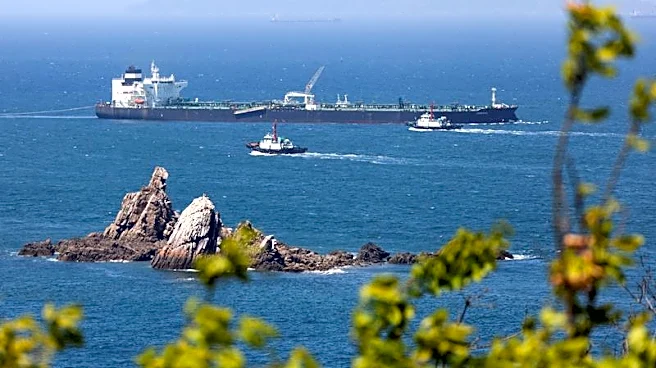
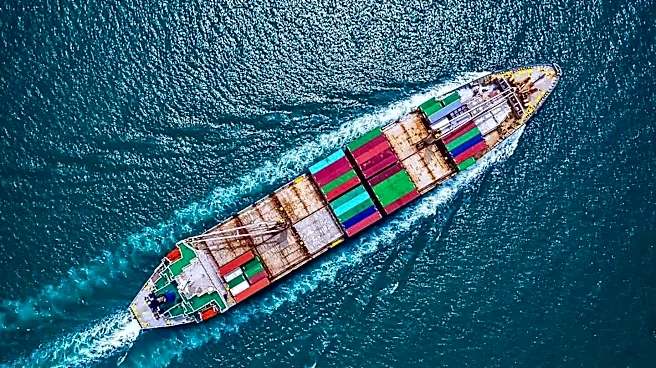
Maritime trade between Iran and Qatar has recommenced following a five-month hiatus, as reported by Iran's commercial attaché in Doha. This resumption comes after an interim agreement between Tehran and Washington, which was signed last month to conclude
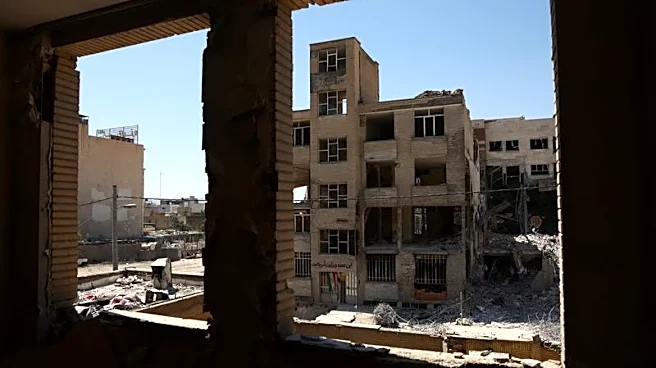
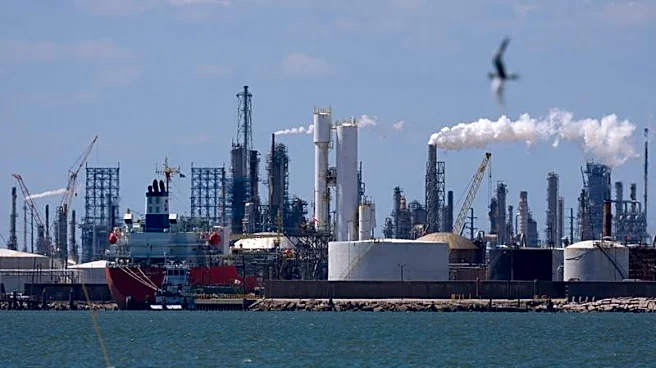
a four-month conflict. The agreement mandates a return to pre-war maritime activities in the Gulf, although the region remains contested. The shipping operations have resumed between Iran's Dayyer port and Qatar's Al Ruwais port, facilitated by coordination between the Iranian embassy in Doha and Qatari authorities. These ports primarily support regional trade, and Dayyer port had suffered multiple hits during the conflict. Additionally, Iranian goods are now being cleared at the United Arab Emirates' Jebel Ali Port, indicating a gradual normalization of trade in the Gulf region.
Why It's Important?
The resumption of maritime trade between Iran and Qatar is significant as it marks a step towards stabilizing economic activities in the Gulf region, which is crucial for regional trade dynamics. The interim deal between Tehran and Washington not only ends hostilities but also facilitates the restoration of trade routes that are vital for the economies of the involved countries. This development could potentially ease tensions and foster economic cooperation in a region that has been fraught with geopolitical conflicts. The reopening of trade routes may benefit businesses and economies dependent on Gulf trade, potentially leading to increased economic activity and stability in the region.
What's Next?
As maritime trade resumes, stakeholders will likely monitor the situation closely to ensure the stability of the newly restored trade routes. The ongoing coordination between Iranian and Qatari authorities suggests a commitment to maintaining open channels of communication, which could be crucial in preventing future disruptions. Additionally, the broader implications of the interim deal between Tehran and Washington may unfold, potentially influencing diplomatic relations and economic policies in the region. Businesses and governments will need to remain vigilant to any changes in the geopolitical landscape that could impact trade and economic stability.